
What Happens to Your Roof Warranty When You File an Insurance Claim in Tampa Bay
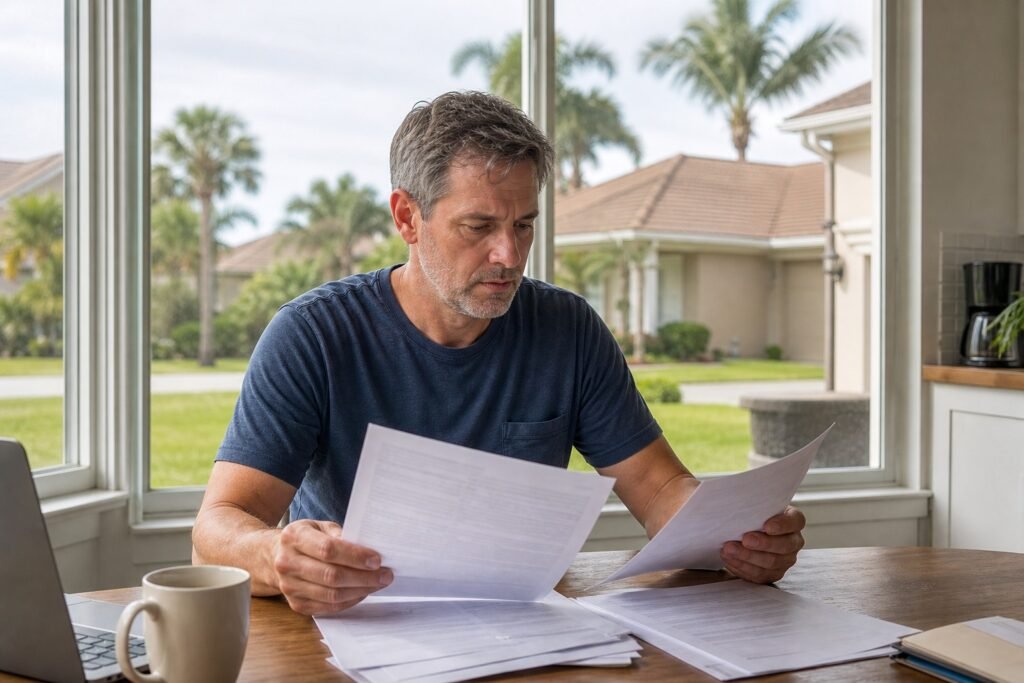
Most Tampa Bay homeowners think of their roof warranty as a safety net — something that protects them if anything goes wrong. But the moment you file an insurance claim for storm damage, that safety net gets complicated. Depending on who does the repair, what materials they use, and whether the right paperwork gets filed, your manufacturer warranty could go from fully active to completely void — and you might not find out until the next problem surfaces.
If you live in Hillsborough County, where hurricane season and summer storms put roofs under constant pressure, understanding how warranties and insurance claims interact isn’t just useful. It’s essential.
Two Warranties, Two Different Things
Before we talk about what happens during a claim, it helps to understand what you’re actually working with. Most roofs installed in Brandon, Riverview, and Valrico come with two separate warranties:
Manufacturer warranty (material warranty): This comes from the company that made your shingles — GAF, Owens Corning, CertainTeed, or another brand. It covers defects in the product itself: shingles that delaminate, fail below their rated wind speed, or deteriorate prematurely due to a manufacturing flaw.
Workmanship warranty (contractor warranty): This comes from the roofing company that installed your roof. It covers installation errors — improper nailing patterns, unsealed flashing, or underlayment installed against manufacturer specs. Under Florida Statute 553.837, contractors must provide at minimum a one-year warranty against material building code violations. Many reputable contractors offer two to ten years voluntarily.
Here’s the critical distinction: insurance covers storm damage. Warranties cover defects and errors. They’re completely separate systems — but one can cancel the other if you’re not careful.
How an Insurance Repair Can Void Your Manufacturer Warranty
This is the scenario that catches most Tampa Bay homeowners off guard. A storm damages a section of your roof, your insurance carrier approves a repair, and you hire whoever can get there fastest. The damaged section gets fixed. Claim closed.
Except now your manufacturer warranty may be void.
The major shingle manufacturers all have certification programs: GAF has Master Elite, Owens Corning has Preferred Contractor and Platinum Preferred, CertainTeed has SELECT ShingleMaster. These aren’t just marketing badges — they’re tied directly to your warranty coverage. If your roof was installed by a GAF Master Elite contractor and you received a Golden Pledge or System Plus warranty, that enhanced warranty requires that future repairs also be performed by a GAF-certified installer.
When an insurance company sends a non-certified roofer to do a storm repair, that repair can void the system warranty on your entire roof — not just the repaired section. The manufacturer’s position: they can’t guarantee a roof system that was partially repaired by someone not trained in their products.
What Contractors Don’t Always Disclose
Many contractors — especially storm-chaser outfits that flood Hillsborough County after major weather events — won’t mention your existing warranty at all. They focus on getting the insurance repair done quickly and moving to the next house.
What they should be telling you:
- Whether they’re certified by your shingle manufacturer. If your roof has GAF shingles and the repair contractor isn’t GAF-certified, ask what that means for your warranty before they start.
- Whether the repair materials match your existing system. Using a different underlayment, a different shingle line, or incompatible flashing can void a system warranty even if the contractor is certified.
- Whether the repair triggers a warranty registration requirement. Some manufacturers — notably Owens Corning — require warranty registration within 30 days of installation. A repair that changes the roof system may need to be re-registered.
- Whether a partial repair voids the whole-roof warranty or just the repaired section. This varies by manufacturer and warranty type. Get it in writing.
The Workmanship Warranty Problem
Your contractor’s workmanship warranty has its own issues during a claim. If a different contractor performs a storm repair, your original contractor’s workmanship warranty typically no longer applies to the repaired section — and some contractors will argue it voids the entire warranty.
For Hillsborough County homeowners, this creates a real dilemma. After a major storm, your original roofer may be booked for months while your insurer pressures you to get repairs done quickly. Hiring someone else could cost you both your workmanship and manufacturer warranties in one move.
Five Steps to Protect Your Warranty During a Claim
The good news is that this problem is entirely avoidable if you handle the claim process deliberately. Here’s what Brandon, Riverview, and Valrico homeowners should do:
1. Pull your warranty documents before calling anyone. Find your manufacturer warranty certificate and your contractor’s workmanship warranty. Check whether you have a basic material warranty or an enhanced system warranty (Golden Pledge, SureStart Plus, Preferred Protection). The enhanced versions have stricter requirements — and more coverage to lose.
2. Call your original roofing contractor first. Before you call your insurance company, reach out to the contractor who installed your roof. Let them know you have storm damage and want them involved. If they can’t respond quickly, ask for a written statement about what’s needed to keep your warranty intact.
3. Require manufacturer-certified installers for any repair. Tell your insurance adjuster you need a contractor certified by your shingle manufacturer. Certified contractors are common throughout Tampa Bay. If the insurer pushes back, document the request in writing.
4. Get matching materials in writing. The repair contractor should use the same shingle line, underlayment type, and accessory products as the original installation. Get this commitment in the written estimate before work begins.
5. Contact the manufacturer directly. GAF, Owens Corning, and CertainTeed all have warranty departments that can tell you exactly what’s required to maintain coverage during a repair. A five-minute phone call before work starts is worth far more than a denied warranty claim three years later.
What If Your Warranty Has Already Been Voided?
If a past insurance repair was done by a non-certified contractor, your system warranty may already be compromised. Contact the manufacturer with your warranty registration number, explain what work was done, and ask whether it affected your status. In some cases, having a certified contractor inspect and re-certify the repaired section can restore coverage.
Under Florida Statute 553.84, homeowners have a cause of action against any contractor whose work resulted in a material violation of the Florida Building Code. If a repair contractor’s work both voided your warranty and failed to meet code, you may have legal recourse.
The Bottom Line for Tampa Bay Homeowners
Filing an insurance claim doesn’t automatically void your roof warranty — but the way the repair gets handled absolutely can. In a market like Hillsborough County, where storm damage is a when-not-if reality, protecting your warranty during the claims process is just as important as getting the repair done.
Before any contractor touches your roof after a storm, ask one question: Will this repair preserve my existing manufacturer and workmanship warranties? If the answer isn’t a clear, documented yes — slow down and get it right.
Need help navigating a warranty and insurance situation on your Tampa Bay roof? Call Brandon Roofing at (813) 538-8200 for a free inspection and honest advice about protecting your coverage.
Published July 15, 2026. Warranty terms, manufacturer policies, and Florida statutes referenced in this article are current as of the publication date. Manufacturer warranty requirements vary by product line, warranty tier, and installer certification status. Always verify your specific warranty terms directly with the manufacturer and your roofing contractor.