
Busting Roofing Myths in Florida: Fact vs Fiction
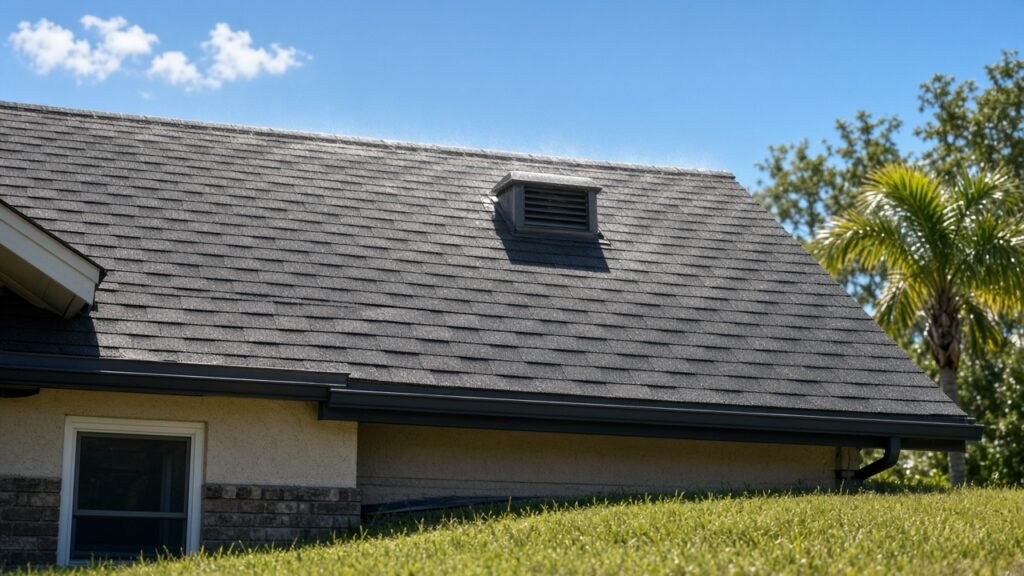
Florida homeowners hear a lot of advice about roofs, and not all of it holds up. Some of it comes from neighbors, some from sales pitches, and some from habits that worked in other climates. Sorting the useful claims from the weak ones helps you protect the covering over your house without chasing myths.
Metal roofs and Florida heat
One common claim is that metal roofs do not belong in Florida because of heat and humidity. Metal can be a sound choice here. Many metal systems reflect sunlight well, which can help limit heat gain in the attic when the roof is detailed correctly. Metal also resists many pests and does not feed mold the way some organic materials can. Suitability still depends on the product, the underlayment, the ventilation, and how the roof is fastened for wind. The myth is the blanket dismissal, not a free pass to skip design and installation quality.
Maintenance is not optional in a mild-sounding climate
Another claim is that Florida roofs need little maintenance because winters are mild. Heat, ultraviolet light, heavy rain, and wind still wear flashings, sealants, and fasteners. Debris in valleys and gutters holds moisture against the roof edge. Skipping inspections does not save money for long. A routine look after storms and on a regular schedule can catch loose tiles, lifted shingles, clogged drains, and soft decking before a small problem becomes a leak into the house.
A warranty is not a substitute for care
Warranties matter, but they are not a full shield. Coverage usually depends on correct installation, approved materials, and follow-through on care the manufacturer requires. Damage from storms, poor attic ventilation, or ignored leaks may fall outside what the paperwork covers. Read the terms, keep records of inspections and repairs, and treat the warranty as one part of protection rather than the whole plan.
Ventilation, contractors, and codes
Proper attic ventilation helps move heat and moisture out of the roof system. In humid counties around Tampa Bay, trapped moisture can shorten the life of decking and underlayment and encourage mold in the attic. Intake and exhaust have to work together; a powered fan alone does not fix a sealed soffit.
Who installs the roof matters as much as the product name on the truck. Florida sees strong storms. A contractor who understands local fastening patterns, flashing details, and permit requirements is better positioned to build a roof that stays attached and sheds water. Ask about licensing, insurance, and how the crew handles inspections.
Building codes and local amendments exist for wind and water. A roof that ignores those rules can fail inspection or fail in weather. Working with a contractor who pulls permits and builds to the current code keeps the project aligned with what Hillsborough and neighboring jurisdictions expect.
What to take from the myths
Metal can work in Florida when the system is chosen and installed for this climate. Maintenance still matters even when winters are mild. A warranty helps only when the roof is installed and cared for under its terms. Ventilation, a qualified contractor, and code-compliant work are the practical truths that protect the house.
Brandon Roofing is a third-generation, family-owned roofing contractor serving Brandon and greater Tampa Bay. If you want a clear read on the roof you have, or want common claims checked against what is actually on your house-request a free inspection or call (813) 538-8200. We will walk what we find in plain English and explain options without a pressure pitch.