
Choosing Between Metal and Asphalt Roofing in Florida
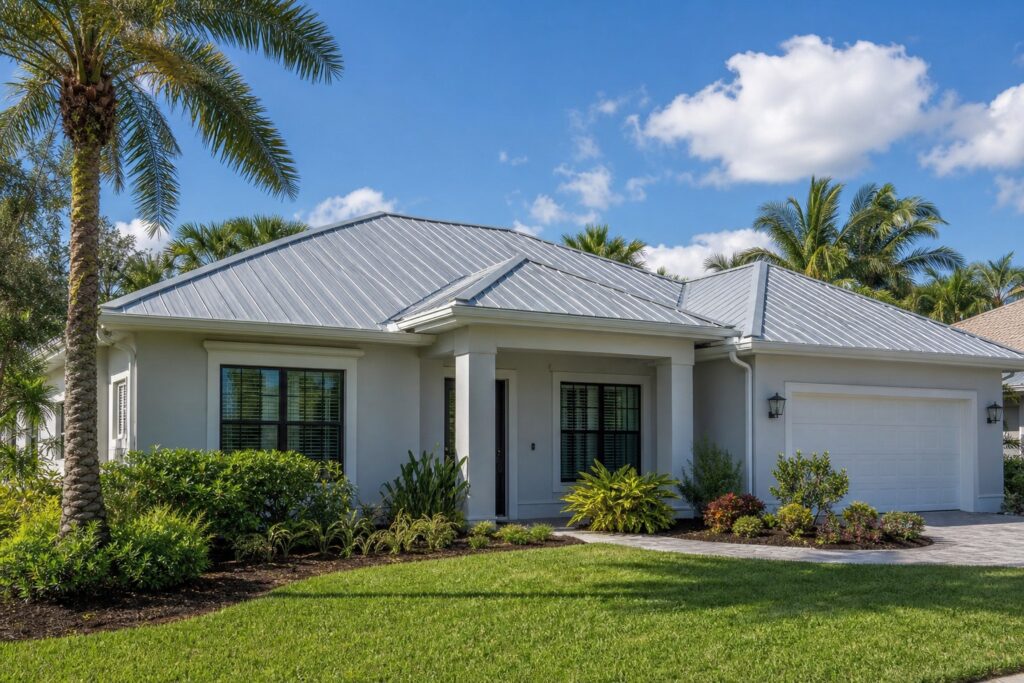
In Brandon and across Tampa Bay, the metal-versus-asphalt question comes up often when a roof is aging, after a storm inspection, or when a homeowner is simply tired of guessing. Both systems can work here. The better question is which one fits the house you have, the weather we get, and the maintenance you are willing to keep up with.
Florida is not a gentle climate for roofs. Summer heat builds in the attic. Afternoon storms drive rain sideways. Hurricane season asks hard questions about fastening, edges, and flashings. Marketing brochures rarely mention those details. A careful comparison does.
What each material is asking of your house
Asphalt shingles remain common on Tampa Bay homes because they are familiar, widely available, and adaptable to many roof shapes and color preferences. A well-installed asphalt system, with sound underlayment and flashings, can protect a house for a long stretch of ordinary seasons. The tradeoff is that asphalt is more exposed to surface wear: granule loss, cracked or curled shingles, and algae streaking in our humid air. Those are maintenance and inspection issues, not automatic failures—but they do need honest attention over time.
Metal roofing is valued for a different set of strengths. Many metal profiles shed water cleanly, resist fire and many pests, and reflect more of the sun’s heat than a dark asphalt surface. In a region where cooling loads matter, that reflectivity can be a practical comfort point. Metal is not “maintenance-free,” though. Fasteners, panel seams, penetrations, and expansion details have to be installed with care, especially where Florida’s temperature swings and wind loads meet. A metal roof installed poorly can disappoint as quickly as any other system.
Storms, heat, and the details that matter more than the brochure
Wind does not care which showroom finish you liked. It cares about edges, ridges, valleys, and how the covering is fastened to the deck. Both asphalt and metal can be designed for high-wind regions when the product rating, fastening pattern, and underlayment match the job. Both can fail early when those details are skipped. After named storms and ordinary summer squalls alike, leaks often begin at flashings and penetrations rather than in the open field of the roof—whatever the surface material.
Heat and humidity add a second layer. Dark asphalt can absorb a great deal of sun; attic ventilation and underlayment quality then matter as much as the shingle label. Metal’s reflective surface can help, but attic airflow and insulation still do real work. Algae and mildew streaks are more visible on some asphalt products in Florida; metal’s smoother face often stains less, though debris in gutters and at transitions still needs clearing.
We will not invent lifespan years, insurance discounts, or warranty outcomes in this article. Those depend on the specific product, the installation, the roof’s age and geometry, and how the home has been maintained. What a homeowner can judge—on paper and on the roof—is condition, fastening quality, flashing integrity, and whether a repair is honest or whether the system as a whole is past a sensible repair path.
How to decide without the sales fog
Start with the roof you have, not the roof in an advertisement. How old is the covering? Are shingles missing, cupped, or bald of granules? Do metal panels show oil-canning that worries you, lifted fasteners, or stained ceilings below? Has the attic shown damp sheathing or daylight at eaves after storms? Photos and notes from a proper inspection give you something firmer than a gut feeling when you compare options.
Next, weigh lifestyle and house specifics. Historic or HOA neighborhoods may favor certain looks. A complex roof with many penetrations can raise the labor side of either system. If you are considering solar later, ask how the chosen covering accepts attachments. If you plan to stay in the home for many years, durability and maintenance rhythm matter more than the lowest first bid. If you may sell sooner, documented condition and a clean inspection story often matter as much as material fashion.
Finally, ask the contractor to explain the system—not only the surface. Underlayment, ventilation, drip edge, valley metal, and how walls and chimneys are flashed decide whether either material earns its reputation. A clear written scope beats a vague promise that one material is simply “better for Florida.”
A practical next step for Tampa Bay homeowners
Choosing between metal and asphalt is less about picking a winner in the abstract and more about matching a system to your house, your neighborhood, and the weather Hillsborough and neighboring counties actually deliver. The sound approach is inspection first, then an honest conversation about repair versus replacement and which covering fits the facts on your roof.
Brandon Roofing is a third-generation, family-owned roofing contractor serving Brandon and greater Tampa Bay. If you are weighing metal against asphalt—or simply want a clear read on the roof you have—request a free inspection or call (813) 538-8200. We will walk what we find in plain English and explain options without a pressure pitch.