
After the Storm: A Step-by-Step Claims Guide for Tampa Bay Homeowners
Published July 1, 2026 · Brandon Roofing · (813) 321-2340
A storm rips through your neighborhood, and by morning you can see shingles in the yard. Now what? For homeowners in Brandon, Riverview, Valrico, and across Hillsborough County, the next 72 hours are the most important window in the entire insurance claims process. What you document, who you call, and how you handle the adjuster’s visit will determine whether you receive a fair payout — or spend months fighting for one.
This guide walks you through the storm damage claims process step by step, updated for Florida’s current insurance laws, including the reforms that eliminated assignment of benefits and changed how attorney fees work in disputes.
Step 1: Document Everything Before You Touch Anything
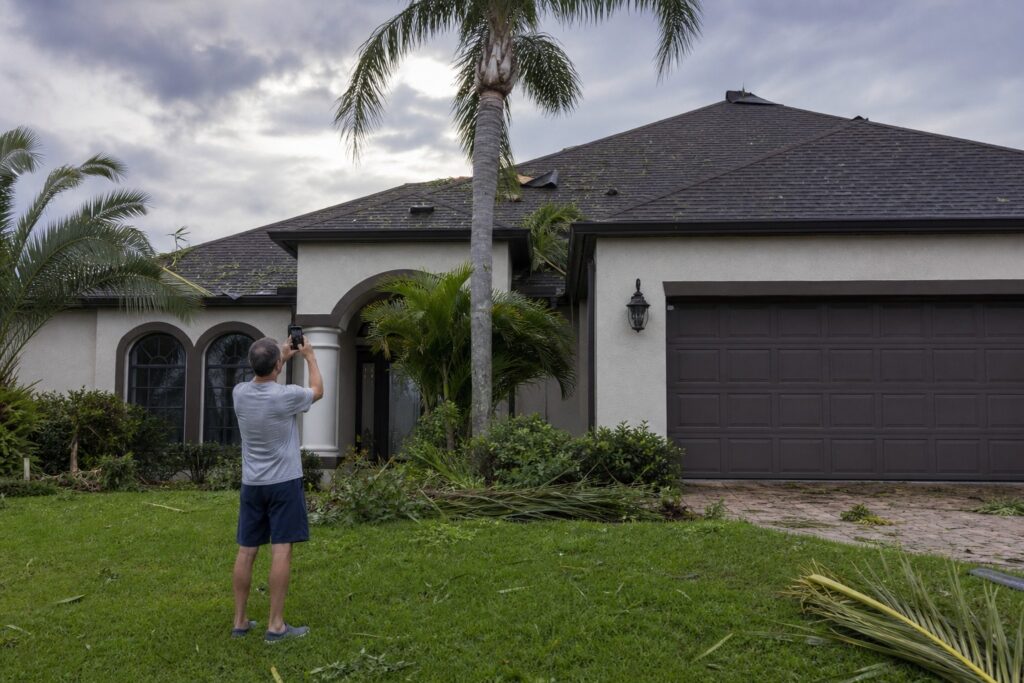
Before you move debris, tarp a leak, or sweep up shingles, grab your phone and start documenting. This is the single most important thing you can do to protect your claim.
What to capture:
- Wide-angle photos of all four sides of your home showing the overall scope of damage
- Close-up shots of missing or displaced shingles, exposed decking, dented flashing, and damaged gutters
- Interior photos of water stains on ceilings and walls, with measurements of affected areas
- Video walkthrough of your property, narrating what you see as you go
- Any storm debris on your property — fallen branches, neighbor’s fence panels, anything that shows what hit your roof
Use your phone’s timestamp feature and upload everything to cloud storage immediately. If your phone gets damaged or lost, you need those files backed up somewhere safe. If you have pre-storm photos from a previous inspection or your real estate listing, save those too — they establish your roof’s condition before the event and counter any “pre-existing damage” arguments from the insurer.
Step 2: Call Your Insurance Company Within 48 Hours
Contact your insurer’s claims line as soon as possible — ideally within 48 hours of discovering damage. Under Florida law, you have one year from the date of loss to file an initial claim, but waiting costs you. The sooner you file, the sooner the process starts, and the harder it is for the insurer to argue that additional damage occurred after the storm.
Before you call, have ready:
- Your policy number
- The date of the storm or damage event
- A general description of the damage
Before you hang up, get:
- Your claim number
- The name of your assigned adjuster
- Confirmation of your specific deductible (hurricane deductibles in Florida are typically 2% to 5% of your dwelling coverage — not a flat dollar amount)
Write down the date, time, and representative’s name. Under Florida Statute § 627.70132, your insurer must acknowledge your claim within 14 days and issue an initial payment or written denial within 90 days.
Step 3: Get an Independent Contractor Estimate
Before the insurance adjuster visits, have a licensed Florida roofing contractor inspect your roof and provide a written estimate. This is your independent baseline — the number you’ll compare against whatever the adjuster’s report says.
A good contractor’s estimate will itemize materials, labor, and code-required upgrades. In Hillsborough County, that often includes current Florida Building Code requirements for nailing patterns, underlayment, and drip edge that weren’t required when your roof was originally installed. These code upgrades are typically covered under the “Ordinance or Law” provision of your policy — but only if your contractor documents them.
Be cautious of contractors who show up uninvited after a storm. Door-to-door solicitation spikes in Brandon and Riverview after every major weather event. Always verify a contractor’s license through the Florida DBPR license lookup before signing anything.
Step 4: Be Present for the Adjuster’s Visit
When the insurance company’s adjuster arrives, be there — and have your roofing contractor there if possible. Walk the adjuster through all documented damage in a logical sequence: start with the roof, then work through every affected area of the home.
Key things to watch for during the inspection:
- If the adjuster uses drone or satellite imagery instead of physically getting on the roof, note that in your records. Remote assessments frequently miss damage that’s only visible on close inspection.
- If the adjuster uses a ladder, ask to see the roof from the same vantage points they photograph.
- Compare their notes against your contractor’s estimate in real time. If you notice areas being skipped, point them out.
If the adjuster’s initial assessment seems low or incomplete, don’t argue on the spot. Note the discrepancies, gather your documentation, and prepare to dispute through the proper channels.
Step 5: Review the Estimate — And Know When to Push Back
Your insurer will send a written estimate after the adjuster’s visit. Compare it line by line against your contractor’s estimate. Common areas where Tampa Bay homeowners see shortfalls:
- Code upgrades: The adjuster prices a repair to match what was there before, but Florida Building Code now requires additional work (new underlayment specs, updated nailing patterns). Your policy’s Ordinance or Law coverage should pay the difference.
- Missed interior damage: Water that came through the roof deck may have damaged insulation, drywall, or caused conditions for mold growth — items adjusters sometimes undercount.
- Depreciation on ACV policies: If your policy is Actual Cash Value rather than Replacement Cost Value, the payout will be reduced for depreciation. Know which type you carry before accepting a number.
If the gap between your contractor’s estimate and the insurer’s payout is significant, you have options — and this is where Florida’s reformed insurance landscape matters.
What Changed Under Florida’s Insurance Reforms
Florida’s property insurance reforms — primarily SB 2-A, signed in December 2022 — fundamentally changed how claims disputes work for Hillsborough County homeowners. Here’s what you need to know:
Assignment of Benefits (AOB) is effectively gone. Under the old system, you could sign over your insurance benefits to a contractor, who would then deal with the insurer on your behalf. That option has been eliminated for most property insurance claims. You must manage your own claim now — which means the documentation and involvement steps above aren’t optional.
One-way attorney fees were eliminated. Previously, if you sued your insurer and won, the insurer had to pay your attorney fees. That incentive is gone. The practical impact: lawsuits against insurers are now more expensive for homeowners, which means getting the claim right the first time matters more than ever.
Filing deadlines tightened. Hurricane and windstorm claims must be filed within two years of the date of loss. All other property damage claims must be filed within one year. Supplemental claims — for damage discovered after your initial filing — must be filed within 18 months of the original date of loss.
When to Hire a Public Adjuster
A public adjuster is a licensed insurance professional who represents you — the homeowner — not the insurance company. They work on a contingency basis, typically charging 10% to 20% of the claim settlement. In Hillsborough County, a public adjuster makes sense when:
- The damage is extensive — generally over $20,000
- Your insurer undervalues or denies your claim
- The claim involves structural damage beyond just shingles
- You’re unfamiliar with the claims process and don’t have time to manage it yourself
You probably don’t need one if the damage is minor, the repair cost is close to your deductible, or the insurer’s initial offer seems fair. Always verify a public adjuster’s active Florida license through the Florida Department of Financial Services, and be cautious of anyone who solicits you door-to-door immediately after a storm.
The Bottom Line for Tampa Bay Homeowners
The claims process isn’t complicated, but it punishes homeowners who skip steps. Document aggressively, file quickly, get an independent estimate, attend the adjuster’s visit, and review the payout carefully before accepting. Under Florida’s current insurance laws, you bear more responsibility for managing your own claim than homeowners did five years ago — but that also means the homeowners who do it right tend to get better outcomes.
If your roof took damage in a recent storm — or if you’re not sure whether it did — Brandon Roofing offers free storm damage inspections for homeowners across Brandon, Riverview, Valrico, and Hillsborough County. Call us at (813) 321-2340 to schedule yours before the next round of summer storms rolls in.
Disclaimer: This article provides general information about the Florida insurance claims process as of July 2026. Insurance policies, carrier practices, and Florida statutes are subject to change. Consult your insurance agent or a licensed public adjuster for advice specific to your policy and situation.