
The Hidden Roof Cost in Every Tampa Bay Flip: What Investors Don’t Disclose
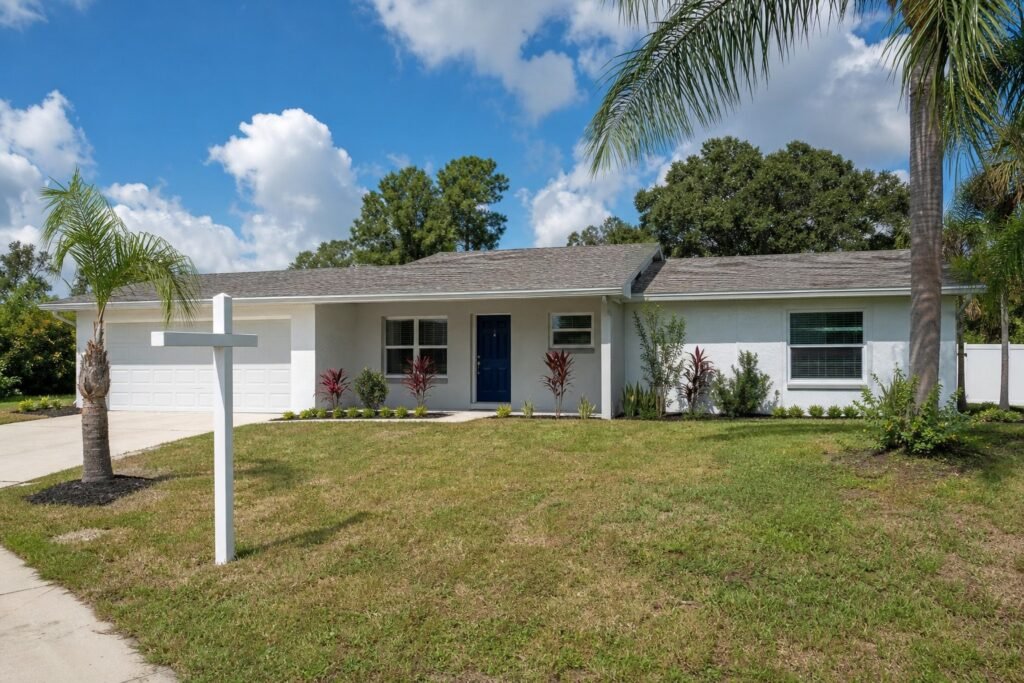
Tampa Bay’s house-flipping market is booming. With Hillsborough County seeing a flip rate above 7 percent and cash buyers making up over 61 percent of investor transactions in 2026, there’s no shortage of freshly renovated homes hitting the market in Brandon, Riverview, and Valrico. New countertops, fresh paint, and modern light fixtures make these properties irresistible — but behind the staged furniture and shiplap accent walls, the roof tells a different story.
If you’re buying a flipped home in Tampa Bay, the roof is the single most expensive system the investor may have cut corners on. Here’s what you need to know before you sign.
What Flippers Actually Do to Roofs (and What They Skip)
A full roof replacement on a typical Hillsborough County home runs $12,000 to $25,000 depending on size and materials. That’s a serious chunk of the average $60,000–$80,000 renovation budget most Tampa Bay flippers are working with. So instead of replacing the roof, many investors take shortcuts:
- Cosmetic patch jobs — Replacing only the most visibly damaged shingles while leaving underlying deterioration untouched
- Roof-overs — Layering new shingles on top of old ones without tearing off the original layer, which hides deck rot and prevents proper inspection of the underlayment
- Pressure washing only — Cleaning algae and stains to make a 20-year-old roof look younger without addressing granule loss or brittle shingles
- Fresh attic paint — Painting over water stain evidence on attic rafters and sheathing to conceal prior leak damage
The result is a roof that looks acceptable from the curb but may be years past its functional life — and possibly uninsurable.
Florida’s Disclosure Laws: What Sellers Must Tell You About the Roof
Florida law is clear: sellers must disclose all known material defects that affect the value of a property. This obligation comes from the landmark 1985 Florida Supreme Court case Johnson v. Davis, which established that sellers cannot hide behind silence — even in an “as-is” sale.
Here’s what matters for roof disclosure specifically:
- The age of the roof and the date it was last replaced or repaired
- Whether the roof has ever leaked during the seller’s ownership
- Any repairs, restorations, or replacements — and who performed the work
- Whether work was done with or without permits
The Florida Realtors Seller’s Property Disclosure form asks these questions directly. But here’s the problem with flips: many investors hold properties for just 60 to 90 days. They’ll check “unknown” on disclosure items and argue they didn’t own the property long enough to discover issues. That may be technically accurate — but it doesn’t protect you as the buyer.
Important: An “as-is” clause in a Florida real estate contract does not eliminate the seller’s duty to disclose known defects. The as-is provision addresses warranty obligations — it does not give the seller permission to conceal problems. If a flipper knew about roof damage and failed to disclose it, you may have legal recourse even after closing.
Red Flags to Watch for When Inspecting a Flipped Home’s Roof
Whether you’re touring an open house in Riverview or scheduling a formal inspection in Valrico, here’s what should raise your antenna on a flipped property:
- No permit history for roof work. Check Hillsborough County’s online permit portal before you even make an offer. If the flipper claims the roof was replaced but there’s no permit on record, that’s a serious problem. Florida Building Code requires permits for re-roofs, and unpermitted work can void your insurance and create headaches at resale.
- Mismatched shingle colors or textures. Spot repairs using different shingle batches create a patchwork appearance that signals selective cosmetic work rather than a full replacement.
- Freshly painted attic surfaces. If the attic rafters and sheathing look suspiciously clean or recently painted, ask why. Unpainted attic wood with no stains is normal. Freshly painted attic wood is a red flag for concealed water damage.
- Unusually thick roof edges. If you can see two layers of shingles at the eaves or rake edges, you’re looking at a roof-over. Most Tampa Bay insurers won’t write a new policy on a layered roof, and we covered why insurers hate roof-overs in a recent article.
- New gutters but old flashing. Flippers often install new gutters (visible improvement) while leaving original flashing around vents, chimneys, and valleys (hidden cost savings). Flashing failure is one of the top causes of roof leaks in Hillsborough County.
- Soft spots on the roof deck. If your inspector walks the roof and notes areas that feel spongy or give underfoot, the decking beneath the shingles may be rotted — something a cosmetic fix wouldn’t address.
How to Protect Yourself Before Closing
If you’re under contract on a flipped property in Tampa Bay, here’s your protection checklist:
- Hire an independent home inspector — not one recommended by the seller’s agent. Specifically request a roof-focused inspection with an attic walkthrough.
- Pull the permit history yourself through Hillsborough County Development Services. Verify that any claimed roof work has a corresponding permit with a passed final inspection.
- Get a separate roof inspection from a licensed roofing contractor. A general home inspector checks the roof as part of the whole house, but a roofer will catch details like improper underlayment, missing drip edge, or code-noncompliant nailing patterns that a generalist may miss.
- Request the 4-point inspection early. Most Florida insurers require a 4-point inspection (roof, electrical, plumbing, HVAC) for homes over 20 years old. Getting this done during your inspection period — not after closing — gives you leverage if the roof doesn’t pass.
- Ask for the insurance CLUE report. A Comprehensive Loss Underwriting Exchange report shows claims filed on the property in the last seven years. If there were prior roof claims, you’ll want to know what was repaired and whether the work was done to code.
What Recourse Do Buyers Have After Closing?
If you’ve already closed on a flipped home in Brandon or anywhere in Hillsborough County and discover undisclosed roof problems, Florida law gives you options — but the clock is ticking:
- Statute of limitations: You generally have four years from when you discovered (or should have discovered) the defect to pursue a claim for fraud or misrepresentation.
- Proving knowledge: The challenge is showing that the seller knew about the problem. Evidence like painted-over water stains, repairs without permits, or photos from the flipper’s own renovation that show pre-existing damage can support your case.
- Legal remedies: Depending on the circumstances, you may be entitled to rescission (canceling the sale), compensatory damages for repair costs, or both.
Document everything with photos and dates. If you suspect concealed roof damage, consult with a Florida real estate attorney before making repairs — you may need to preserve the evidence.
The Bottom Line for Tampa Bay Homebuyers
Flipped homes aren’t inherently bad. Plenty of investors in the Tampa Bay market do quality work and disclose honestly. But when a property has been bought, renovated, and relisted in under 90 days, the roof deserves extra scrutiny. It’s the most expensive system in the house, the hardest to evaluate from the ground, and the one most likely to create insurance and financial problems down the road.
One more note: Florida’s recent insurance reforms prohibit carriers from automatically rejecting or non-renewing a roof solely based on age if the roof is under 15 years old and passes a licensed inspection. That’s good news for buyers — but it means the inspection itself carries more weight than ever. A clean inspection report on a borderline roof can keep you insurable; a failed one locks you out of the market entirely.
Before you fall in love with the open floor plan and quartz countertops, look up. If you’re not sure what you’re looking at, call Brandon Roofing at (813) 538-8200 for an honest assessment. We’ll tell you what’s really going on up there — whether it’s good news or not.
Published July 22, 2026. This article is for informational purposes only and does not constitute legal advice. Florida real estate laws and insurance carrier policies change regularly. Consult with a licensed attorney for guidance specific to your situation.