
What ‘Roof Over’ Means in Florida and Why Most Tampa Bay Insurers Hate It
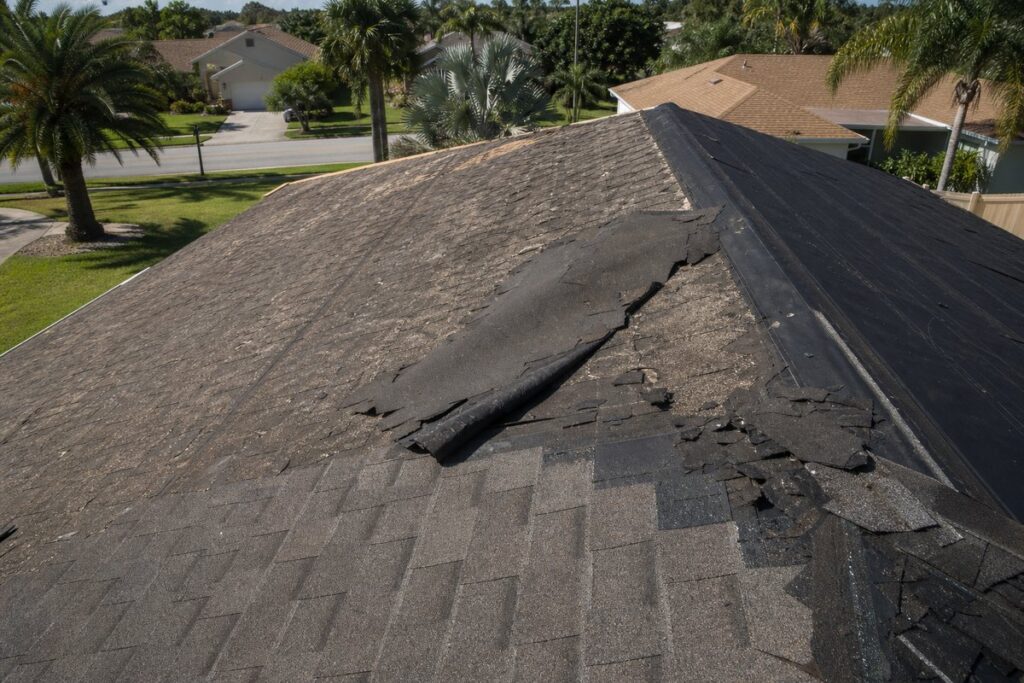
Published July 11, 2026 · Brandon Roofing · (813) 538-8200
If you’ve gotten a roofing estimate recently, you may have heard a contractor offer to “roof over” your existing shingles instead of tearing them off. It sounds appealing — less labor, less debris, and a lower price tag. But in Florida’s insurance-driven roofing market, a roof-over can cost you far more than it saves. Here’s what every Tampa Bay homeowner needs to understand before agreeing to one.
What Exactly Is a Roof-Over?
A roof-over — also called a roof recover or overlay — means installing a new layer of shingles directly on top of your existing roof covering without removing the old material. The Florida Building Code draws a clear distinction between this and a roof replacement, which involves stripping everything down to the roof deck, inspecting and repairing the sheathing, and then installing a completely new roofing system from the deck up.
On paper, a roof-over is technically legal in Florida under specific conditions. The Florida Building Code allows a second layer of asphalt shingles as long as the existing layer is flat, stable, and free of water damage, and the roof deck underneath is structurally sound. But here’s the critical limit: Florida code caps shingle layers at two. If your roof already has two layers, or if the existing shingles are curled, brittle, or water-soaked, a full tear-off is required by law.
Why Contractors Offer It — and Why It’s Tempting
The economics are straightforward. A roof-over typically costs 25 to 40 percent less upfront than a full replacement because it eliminates the labor and disposal costs of tearing off the old material. For a typical 2,000-square-foot home in Brandon or Riverview, that can mean saving $3,000 to $5,000 on the initial project.
That number looks good on a quote. But in Florida, the real cost of a roofing decision isn’t just the installation — it’s what happens with your insurance, your wind mitigation credits, and your next claim.
The Insurance Problem: Why Carriers Push Back
This is where the math falls apart for most Hillsborough County homeowners. Florida insurance carriers have become increasingly hostile toward roof-overs, and for several reasons:
Wind mitigation discounts disappear. The single biggest insurance savings available to Florida homeowners comes from a wind mitigation inspection. Inspectors need to verify that your roof deck is fastened with modern attachment methods and that a secondary water barrier is in place. With an overlay, neither of these can be visually confirmed — the old layer of shingles blocks access. The result: you lose premium discounts that typically save homeowners $400 to $800 per year in Hillsborough County.
Some carriers won’t write the policy. Multiple Florida insurers now refuse to issue new homeowners policies — or refuse to renew existing ones — on homes with layered roofs. In Tampa Bay’s already tight insurance market, limiting your carrier options is a serious financial risk.
Claims can be denied or reduced. If a storm damages your overlaid roof, the insurer may argue that the damage was caused or worsened by the layered construction rather than the weather event. Even when claims aren’t outright denied, adjusters may depreciate the payout based on the reduced integrity of a double-layer roof system.
The Hidden Risks Underneath
Beyond insurance, a roof-over creates practical problems that compound over time — especially in Florida’s climate:
Trapped moisture. Sandwiching old shingles between the deck and a new layer creates a moisture trap. In Hillsborough County’s humidity, where summer dew points regularly exceed 75°F, this environment accelerates rot in the roof deck and can lead to mold growth that goes undetected until it’s a major remediation project.
Added weight. A second layer of asphalt shingles adds roughly 2 to 3 pounds per square foot to your roof structure. For homes built to minimum code specifications — common in Brandon’s rapid-growth subdivisions from the 1990s and 2000s — this additional load can stress trusses and sheathing beyond their design capacity, particularly under high wind loads during a hurricane.
Shorter lifespan. A roof-over typically lasts 8 to 15 years — about half the lifespan of a full replacement. The trapped heat between layers accelerates shingle deterioration, and Florida’s intense UV exposure compounds the effect. You’ll be paying for another roof sooner than you expected.
Deck damage goes undetected. The entire point of a tear-off is to expose the roof deck so it can be inspected and repaired. When you roof over, you’re covering up whatever is underneath — rotted plywood, inadequate fasteners, compromised areas around penetrations. You’re essentially putting a fresh coat of paint on a wall you haven’t looked behind.
The 2026 Florida Building Code Update
The upcoming 9th Edition of the Florida Building Code, scheduled to take effect December 31, 2026, further tightens the language around recovering versus replacement. The updated Section 706.3 clarifies and expands the conditions under which a full tear-off is required, including any situation where the existing covering is inadequate as a base for additional roofing. For homeowners in Hillsborough County considering a roof project in 2026 or 2027, these code changes reinforce the direction Florida is heading: toward full replacements with verified deck attachments and secondary water barriers.
Questions to Ask Any Contractor Who Proposes a Roof-Over
If a contractor suggests an overlay, ask these questions before you sign anything:
- How many layers are currently on my roof? If there’s already a second layer, a recover is illegal under Florida code.
- Will I qualify for wind mitigation credits after the overlay? If the answer isn’t a clear yes with documentation, you’ll be paying hundreds more per year in insurance premiums.
- Will my insurance carrier accept the overlay? Call your insurer before the project starts. Get their answer in writing.
- What’s the warranty difference? Many shingle manufacturers reduce or void their material warranty when installed over an existing layer. Ask for the warranty terms in writing.
- What does the roof deck look like? If the contractor hasn’t seen the deck, they can’t tell you if it needs repair — and neither can you.
- Are you pulling a Hillsborough County permit? Any roofing project in Florida requires a permit, whether it’s an overlay or a full replacement. If a contractor suggests skipping the permit, walk away.
The Bottom Line for Tampa Bay Homeowners
A roof-over might look like a bargain on a Tuesday-afternoon estimate, but for most homeowners in Brandon, Riverview, Valrico, and across Hillsborough County, it’s a short-term savings that creates long-term problems. Between lost insurance discounts, reduced carrier options, shorter lifespan, and hidden moisture risk, the true cost of an overlay almost always exceeds the upfront savings of a full replacement within a few years.
If your roof needs attention, the smarter investment is a full tear-off and replacement. It gives your contractor a chance to inspect and repair the deck, install a secondary water barrier, meet current code fastening requirements, and give you the documentation you need to secure the best possible insurance rate.
Not sure whether your roof has been overlaid, or want to know what’s underneath before making a decision? Call Brandon Roofing at (813) 538-8200 for a free roof inspection. We’ll tell you exactly what you’re working with — no pressure, no surprises.
Disclaimer: Insurance policies, carrier requirements, and Florida building codes are subject to change. This article reflects information current as of July 2026. Consult your insurance agent and a licensed roofing contractor for guidance specific to your property.