
Green Roofs for Florida Homes: What Urban Homeowners Should Know
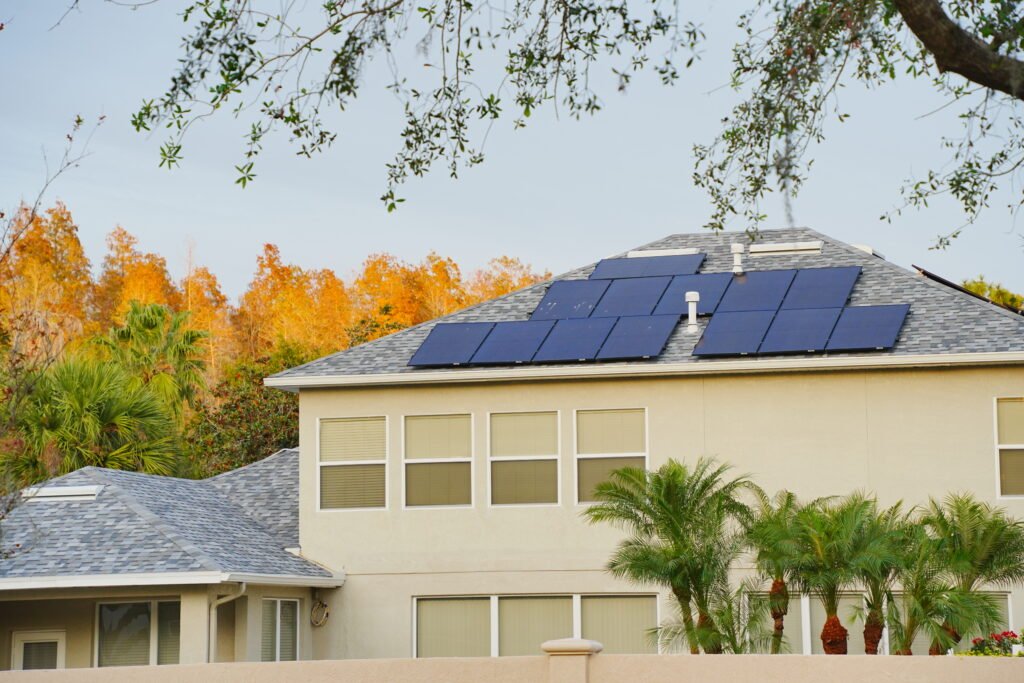
In denser corners of Tampa Bay and other Florida cities, some homeowners ask about green roofs—roofs finished with planted layers rather than only shingles, tile, or metal. The idea is appealing: cooler surfaces, stormwater help, and a softer look in a landscape of heat and pavement. The practical question is whether a planted system fits the structure you have, the climate we live with, and the upkeep you are prepared to keep.
A green roof is not a few pots on a deck. It is a layered assembly: a waterproof roof membrane, root protection, drainage, a growing medium, and plants chosen for heat, wind, and salt air. Done well, it can ease rooftop heat and slow runoff. Done poorly, it can hide leaks, overload a deck, or turn into a maintenance burden. Marketing language rarely dwells on those details. A careful read should.
What a green roof is asking of your house
Every planted system adds weight. Lightweight “extensive” green roofs use shallow soil and low plants; deeper “intensive” gardens need more structure and more care. Before anyone talks about native plants or curb appeal, a structural check matters: can the existing framing and deck carry the wet weight of soil, plants, and storm water? Florida’s afternoon deluges make that question sharper, not softer.
Waterproofing is the other foundation. On a conventional roof, a leak often shows as a stain. Under a green roof, water can travel farther before anyone notices. The membrane, flashings, drains, and edge details have to be right the first time, with access planned for inspection. Vegetation can help shade and protect a membrane from sun and temperature swings, but it does not replace sound waterproofing or honest maintenance.
Heat, storms, and Florida’s realities
Urban heat islands are real where asphalt and rooftops dominate. Planted surfaces can run cooler than dark, bare coverings and may ease some of the load on air conditioning—though attic insulation, ventilation, and the rest of the building still do the heavier work. Air-quality and habitat benefits are often cited as well; those depend on plant choices, depth, and how the roof is kept over years, not on a single install day.
Storms raise a separate set of issues. Wind can scour lightweight media and stress edges. Drains clogged with leaves or soil turn a green roof into a shallow pond. Hurricane season asks hard questions about fastening, perimeter restraint, and how water leaves the roof. None of that is a reason to dismiss green roofs; it is a reason to treat them as engineered systems, not landscaping laid on top of an old covering.
This article will not invent energy-bill savings, insurance discounts, property-value percentages, or warranty outcomes. Those depend on the specific assembly, the building, local code, and how the roof is maintained. What a homeowner can judge is whether the structure, membrane, drainage, and access plan are honest—and whether a conventional repair or replacement is the clearer path for the roof already in place.
When a planted roof makes sense—and when it does not
Green roofs tend to fit best on new construction or a full reroof, where the deck, membrane, and drainage can be designed together. They are a harder retrofit on an aging asphalt or tile roof that already needs work. HOA rules, permits, and fire or wind provisions also shape what is allowed. If solar is in the plan later, ask how attachments and plantings share the same surface without fighting each other.
Upkeep is part of the decision. Even low-maintenance extensive systems need weeding, drain clearing, and periodic checks of flashings and edges. Intensive gardens need more. Homeowners who want a “set it and forget it” covering are usually better served by a well-installed conventional system suited to Florida heat and wind, with a simple inspection rhythm.
A practical next step for Tampa Bay homeowners
Curiosity about green roofs is fair. So is starting with the roof you have: its age, leaks, deck condition, and whether repair or replacement is the honest next move. From there, a specialist conversation about planted systems—or a clear plan for a conventional covering—beats choosing from a brochure alone.
Brandon Roofing is a third-generation, family-owned roofing contractor serving Brandon and greater Tampa Bay. If you are weighing options for an aging or storm-worn roof—or simply want a plain-English read on what is up there—request a free inspection or call (813) 538-8200. We will walk what we find and explain options without a pressure pitch.