
Choosing Between Roof Repair and Replacement in Florida
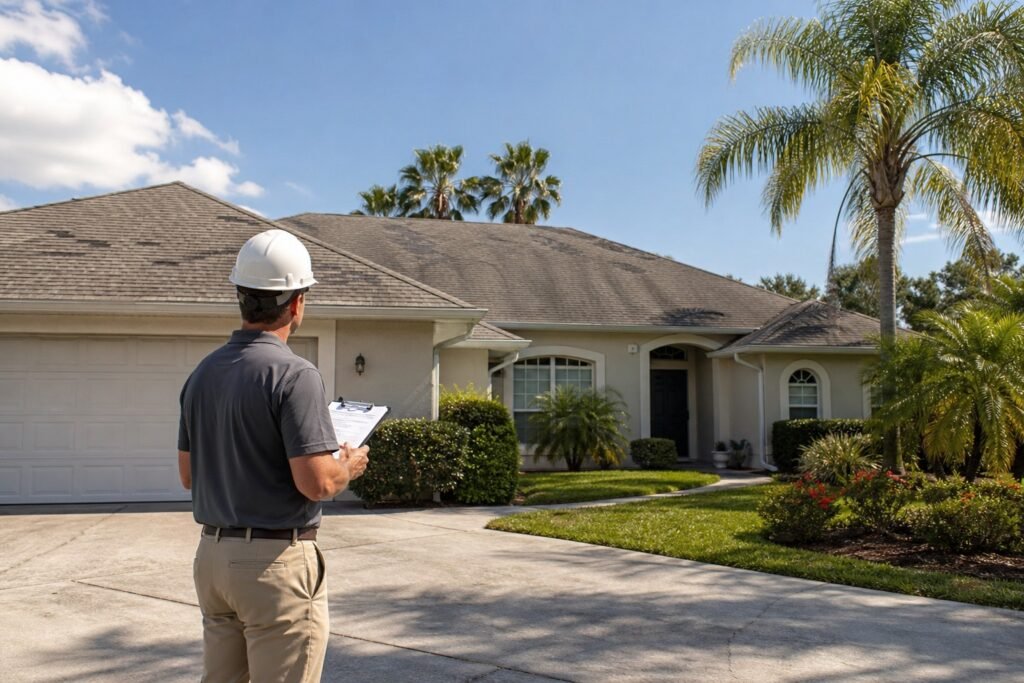
Every roof wears out eventually, and in Florida the process tends to move faster. Strong sun, heavy summer rain, high humidity and the occasional tropical storm all take a toll. At some point most homeowners face the same question: Will a repair solve the problem, or is it time for a new roof? The answer depends on three things: what the roof looks like up close, how widespread the trouble is, and how much useful life the roof has left.
Start with a careful look
The decision begins with an honest picture of the roof’s condition. From the ground and from inside the house, watch for missing, cracked or curling shingles; granules collecting in gutters or at the bottom of downspouts; water stains on ceilings or in the attic; and flashing that has lifted around chimneys, vents or skylights. No single sign settles the question, but together they show whether the roof has one weak spot or a broader pattern of wear.
Climbing onto a roof is risky, especially when the surface is steep or wet, so the closer inspection is best left to a roofer. A professional can check the decking for soft areas, look at the underlayment where shingles are missing, and tell the difference between surface wear and damage that has reached the structure below.
How far the damage has spread
A few missing shingles after a windy afternoon, or a small leak at one vent, can usually be repaired. The fix is contained, and the rest of the roof can go on doing its job. The calculation changes when problems show up in several places at once, when leaks return after earlier repairs, or when water has soaked into the decking. At that stage, patching one area does little to stop the next leak from starting somewhere else, and replacement becomes the more sensible use of money.
How old the roof is
Age matters because a roof near the end of its service life will keep producing new problems. Materials age at different rates. Asphalt shingles generally have the shortest life of the common choices, while metal and tile tend to last considerably longer when they are installed and maintained well. Florida’s heat and sun can shorten those spans compared with milder climates. If an older roof needs repair after repair, the money spent keeping it going may be better put toward a new one.
Replacement also opens choices that a repair does not. A new roof requires a permit and must meet the current Florida Building Code, and some homeowners use the occasion to move to a more durable material or to improve attic ventilation.
Questions worth asking
Before deciding, a few plain questions help. How old is the roof, and what is it made of? Is the problem in one spot or in many? Has this area been repaired before? Is there any sign that water has reached the decking or the attic? How long do you plan to stay in the house? The answers usually point toward one option.
Making the call
Repair makes sense when the roof is in good overall shape and the trouble is limited to one area. Replacement makes sense when damage is widespread, leaks keep coming back, or the roof is near the end of its life. A careful inspection is the most reliable way to tell which situation applies to your house.
Brandon Roofing is a third-generation, family-owned roofing contractor serving Brandon and greater Tampa Bay. If you are weighing a repair against a new roof, request a free inspection or call 813-538-8200. We will explain what we find in plain English and lay out your options without a pressure pitch.