
Identifying Roof Damage Post-Storm: A Homeowner’s Checklist
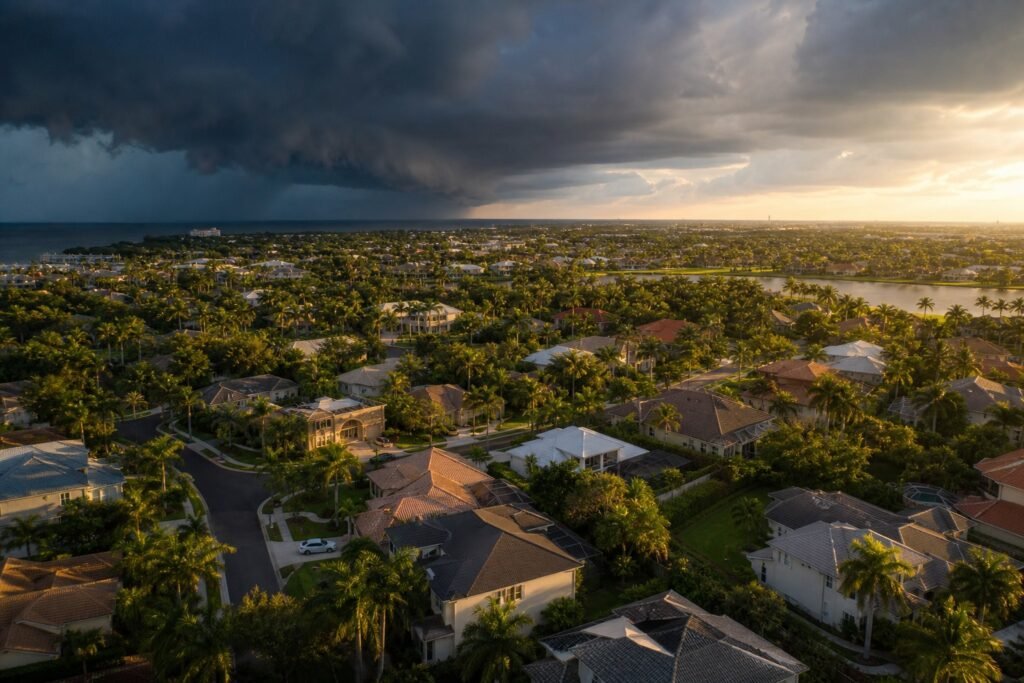
After a severe storm, it is essential for homeowners to inspect their roofs for any signs of damage. A damaged roof can lead to water leaks, mold growth, and structural issues if left unattended. By being proactive and conducting a thorough inspection, homeowners can identify any issues early on and prevent further damage. In this article, we will discuss the signs of roof damage post-storm and provide a checklist for homeowners to follow.
Signs of Roof Damage After a Storm
One of the most common signs of roof damage after a storm is missing or damaged shingles. Look for shingles that are cracked, curled, or completely missing. Additionally, check for granules from the shingles in the gutters or on the ground, as this could indicate wear and tear on the roof.
Another sign of roof damage is water stains on the ceiling or walls inside the house. If you notice any discoloration or water spots, it could be a sign of a leaking roof. It is crucial to address this issue promptly to prevent further damage to the interior of your home.
Inspect the roof for any signs of sagging or drooping. This could indicate structural damage caused by the storm. If you notice any areas that appear to be sagging, it is important to contact a professional roofing contractor to assess the damage and make any necessary repairs.
Essential Checklist for Homeowners
After a storm, it is important for homeowners to conduct a thorough inspection of their roof. Start by checking the attic for signs of water leaks or damage. Look for water stains, mold growth, or wet insulation. If you notice any of these issues, it is a clear indication that your roof has been damaged.
Walk around the exterior of your home and inspect the roof from the ground. Look for any visible signs of damage, such as missing or damaged shingles, debris on the roof, or sagging areas. Use binoculars if necessary to get a closer look at the condition of your roof.
If you are comfortable doing so, climb onto the roof and inspect it up close. Look for loose or damaged shingles, cracked flashing, or any other signs of damage. Be cautious when walking on the roof, and if you are unsure or uncomfortable, it is best to hire a professional roofing contractor to conduct the inspection.
Identifying roof damage post-storm is crucial for homeowners to protect their investment and ensure the safety of their families. By following the checklist provided in this article and being proactive in inspecting your roof, you can address any issues early on and prevent further damage. Remember, if you are unsure about the extent of the damage or how to make repairs, it is always best to hire a professional roofing contractor to assess the situation and provide guidance on the necessary repairs.