
Metal Roofs Aren’t Just Practical — They’re a Design Upgrade

For decades, metal roofing carried an unfair reputation. Many homeowners still picture industrial buildings, barns, or warehouses when they hear the words metal roof. In reality, modern metal roofing has evolved into one of the most architecturally versatile and visually striking upgrades a homeowner can make.
In Florida—and especially in Tampa Bay—metal roofs are no longer just a practical choice. They’re a design statement.
From Industrial to Intentional Design
Today’s metal roofs are engineered with aesthetics in mind. Advances in manufacturing allow metal roofing to complement a wide range of architectural styles, from classic Florida ranch homes to modern coastal builds.
Metal roofing now comes in:
- Clean standing seam profiles
- Textured finishes that add depth and dimension
- A wide range of colors—from soft neutrals to bold modern tones
- Low-profile systems that enhance, rather than overpower, a home’s lines
Instead of drawing attention for the wrong reasons, metal roofs are increasingly chosen because they elevate a home’s overall look.
Architectural Styles Where Metal Roofing Shines
Metal roofing works particularly well with Florida home styles, including:
Coastal and Modern Homes
Standing seam metal enhances clean lines, open layouts, and minimalist designs often seen in newer builds.

Mediterranean and Spanish-Influenced Homes
Muted metal tones pair beautifully with stucco exteriors, arches, and warm color palettes.
Mid-Century and Ranch Homes
Metal roofing adds a modern refresh without altering the original character of the home.
Farmhouse and Transitional Designs
Metal accents create contrast and visual interest while maintaining warmth and balance.
In each case, metal roofing acts as an architectural element—not an afterthought.
Color and Finish: More Than Just Looks
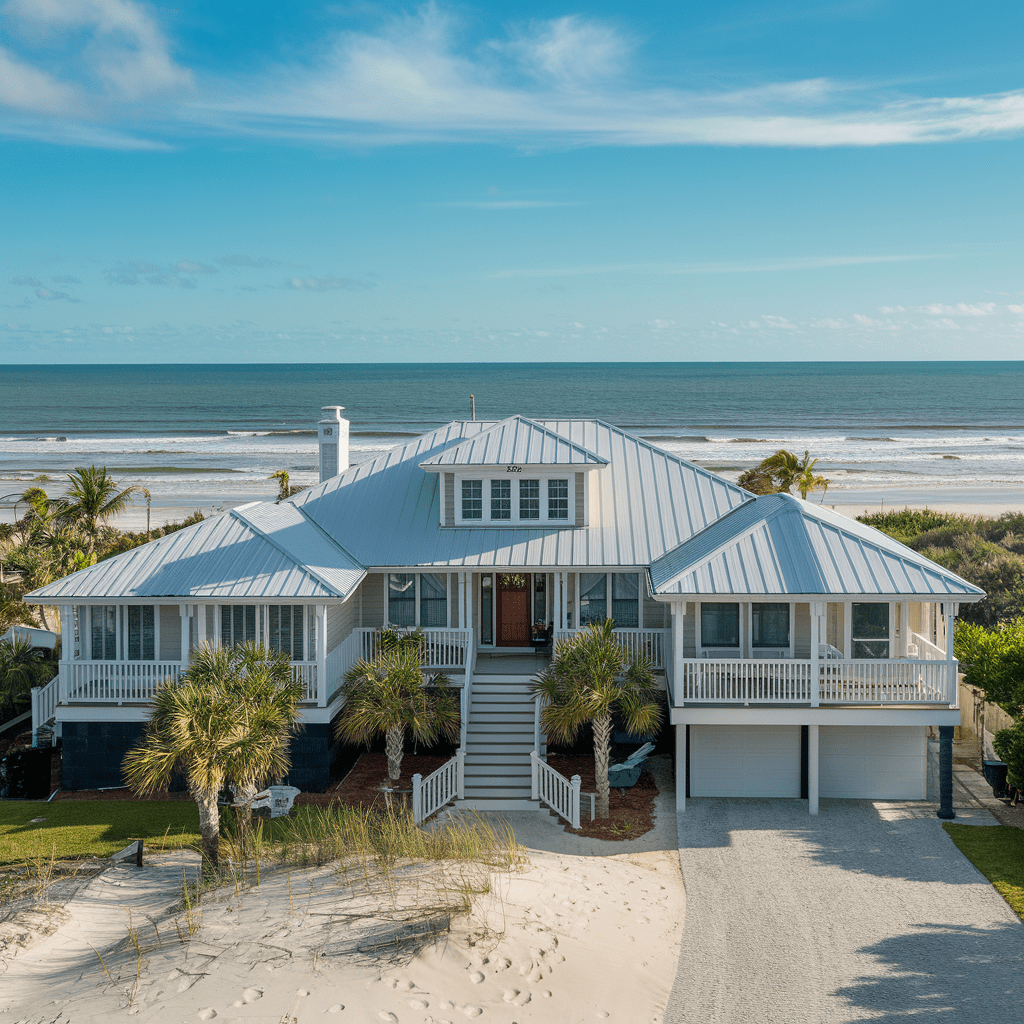
Metal roofs aren’t limited to silver or gray. Homeowners can choose from a range of finishes that influence both appearance and performance.
- Lighter colors reflect heat and brighten the home’s exterior
- Matte finishes offer a softer, more refined look
- Darker tones create dramatic contrast and modern appeal
When paired with the right exterior colors and materials, metal roofing can transform the entire visual identity of a home.
Design That Holds Its Shape Over Time
One of the most overlooked design benefits of metal roofing is consistency.
Asphalt shingles age unevenly. They fade, curl, lose granules, and often show wear in patches. Metal roofs maintain their clean lines and color integrity for decades, meaning the home looks intentional and well-maintained year after year.
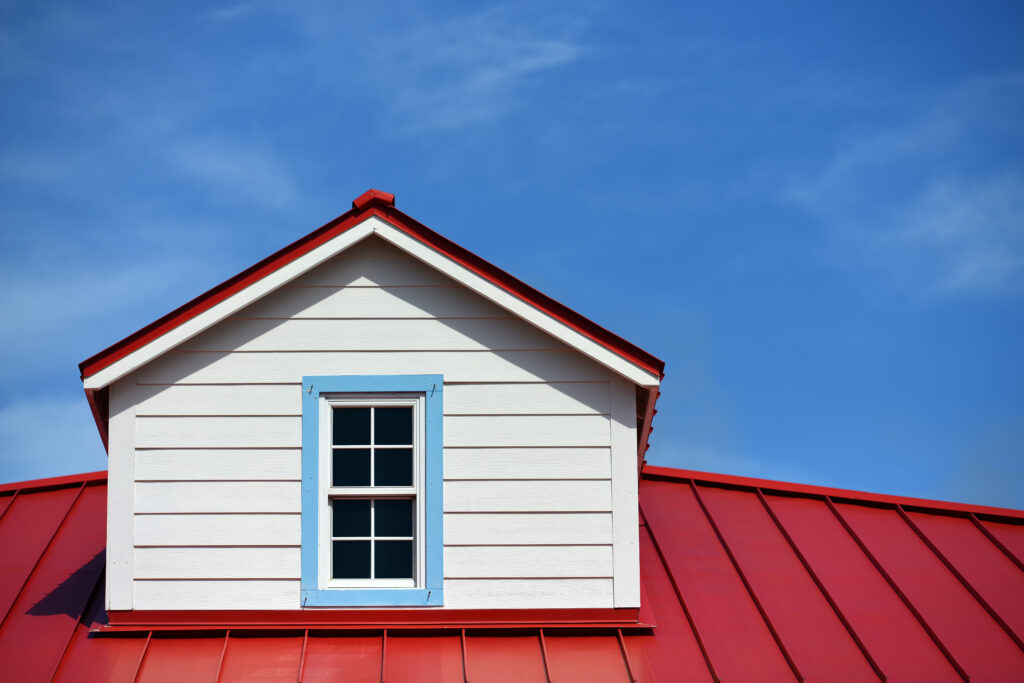
In design terms, this means:
- No blotchy fading
- No warped edges
- No patchwork repairs that disrupt curb appeal
A metal roof keeps the home looking sharp long after installation.
Form Meets Function
What makes metal roofing especially appealing is that its design benefits are paired with serious performance advantages.
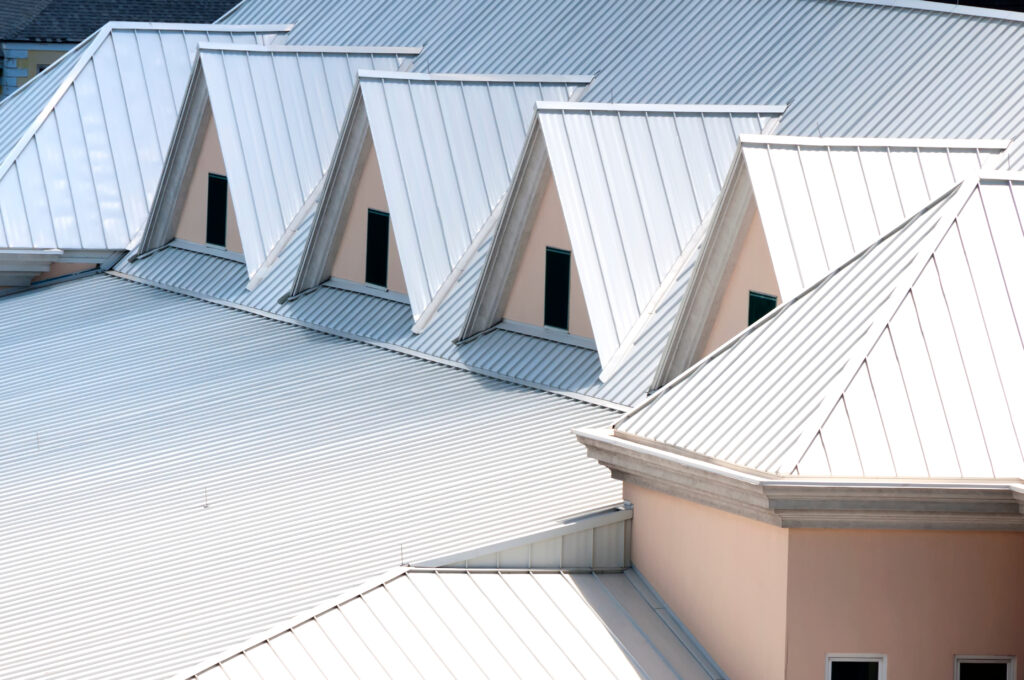
Metal roofs:
- Withstand high winds common in Florida storms
- Reflect heat, improving indoor comfort
- Shed rain efficiently
- Require minimal maintenance
This balance of form and function makes metal roofing one of the few upgrades that improves appearance, comfort, durability, and long-term value all at once.
A Design Upgrade Buyers Notice
For homeowners thinking long-term, metal roofing sends a clear message to future buyers: this home was built—or upgraded—with intention.
Buyers increasingly recognize metal roofs as:
- A premium feature
- A long-term asset
- A sign of quality construction
That perception translates into stronger resale appeal and buyer confidence.
Metal Roofing Is No Longer a Compromise
Choosing metal roofing doesn’t mean sacrificing style for durability. It means embracing a roofing system that delivers architectural presence and long-term performance.
In Tampa Bay, where homes must withstand heat, storms, and time itself, metal roofing has become one of the smartest—and most visually impactful—upgrades a homeowner can make.
Metal Roofs
Metal roofs aren’t industrial anymore. They’re intentional, refined, and architectural. When properly designed and installed, they don’t just protect a home—they define it.