
The Role Your Roof Plays in Keeping Your Yard and Landscaping Healthy
When homeowners think about landscaping, they focus on plants, irrigation, soil, and sunlight. What’s often overlooked is the role the roof plays in protecting everything below it. In reality, your roof is the first line of water management for your property, and when it’s not working as intended, your yard and landscaping are often the first things to suffer.
In Florida—where heavy rain, sudden storms, and sandy soil are common—proper roof runoff and drainage are essential for a healthy outdoor environment.
Your Roof Is a Water-Control System
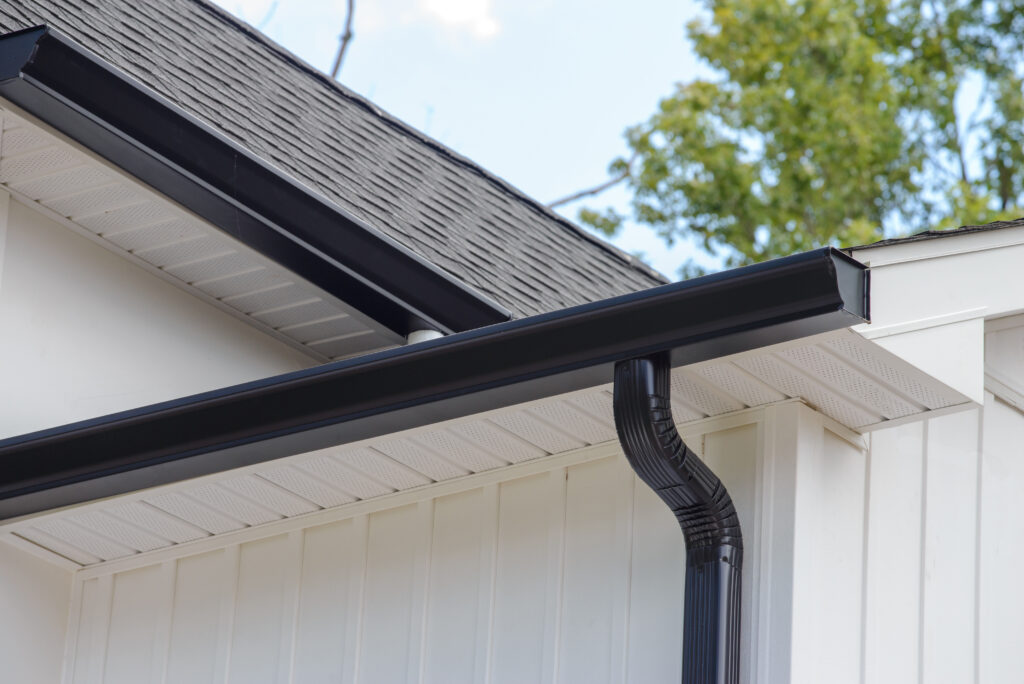
Every time it rains, your roof collects and directs thousands of gallons of water. Where that water goes—and how fast it gets there—matters.
A properly designed roofing system:
- Channels water away from the foundation
- Prevents pooling near plants and hardscapes
- Protects soil structure and root systems
When roofing components fail or are poorly designed, water can overwhelm certain areas of your yard while starving others.
Poor Runoff Leads to Erosion and Plant Stress
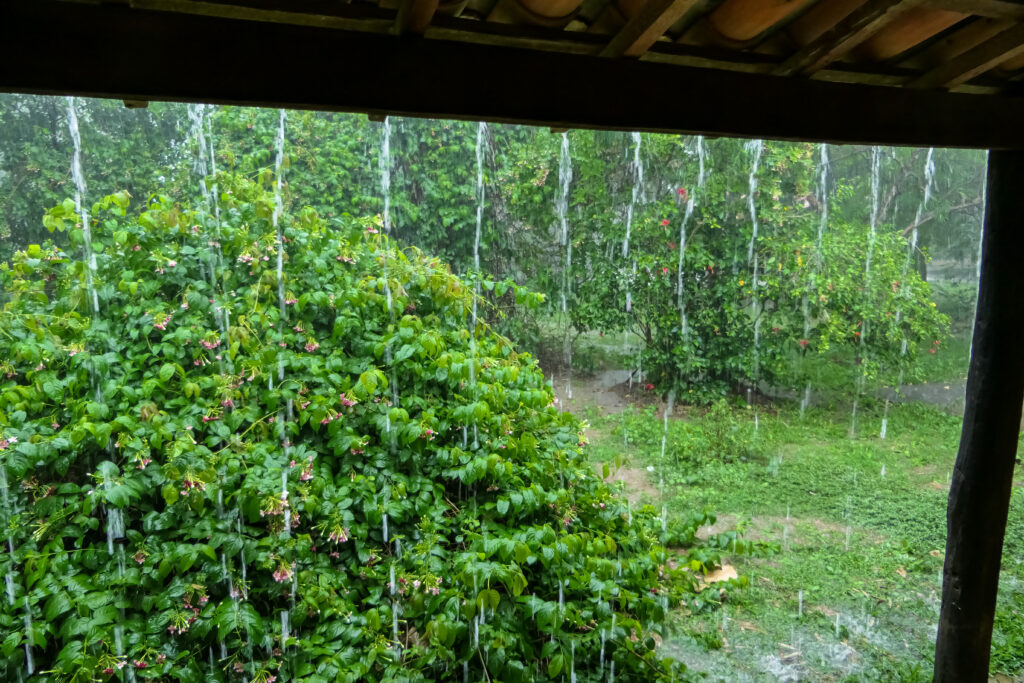
Uncontrolled roof runoff is one of the leading causes of yard damage.
Common issues include:
- Soil erosion near the foundation or along walkways
- Exposed plant roots
- Washed-out mulch and decorative stone
- Compacted soil that limits water absorption
Over time, erosion strips nutrients from the soil and weakens plant health, even in well-maintained landscapes.
Gutters Do More Than Prevent Roof Damage
Gutters are often thought of as a roofing accessory, but they play a major role in landscape protection.
Properly installed gutters:
- Control where water exits the roof
- Prevent concentrated water dumps in flower beds
- Reduce splash-back that damages siding and plants
Poor gutter placement—or missing gutters altogether—can cause water to cascade directly onto landscaping, leading to root rot and uneven growth patterns.
Downspouts Matter More Than Most Homeowners Realize
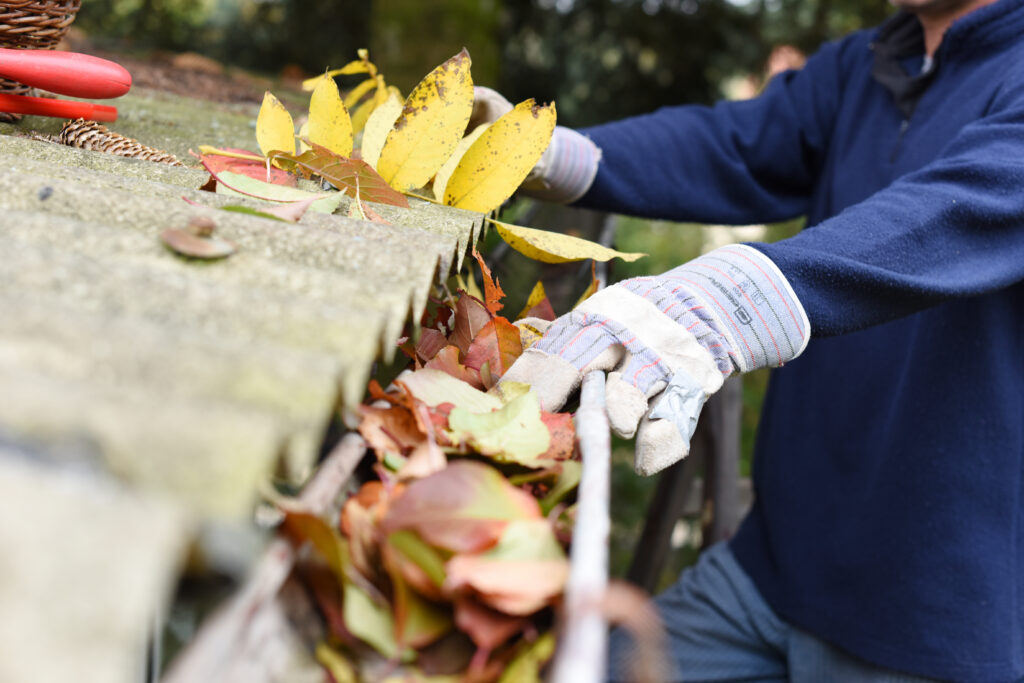
Even the best gutters can cause problems if downspouts aren’t positioned correctly.
Downspouts should:
- Direct water away from planted areas
- Extend far enough to prevent pooling
- Work in coordination with yard grading
Short or clogged downspouts often result in standing water, which suffocates plant roots and attracts pests.
Roof Pitch and Material Affect Runoff Speed
Not all roofs shed water at the same rate.
- Steeper roof pitches move water quickly and can overwhelm soil if drainage isn’t controlled
- Some roofing materials shed water more efficiently than others
When runoff speed isn’t managed properly, water can carve channels through lawns and garden beds during heavy rain events.
Protecting Hardscapes and Outdoor Living Areas
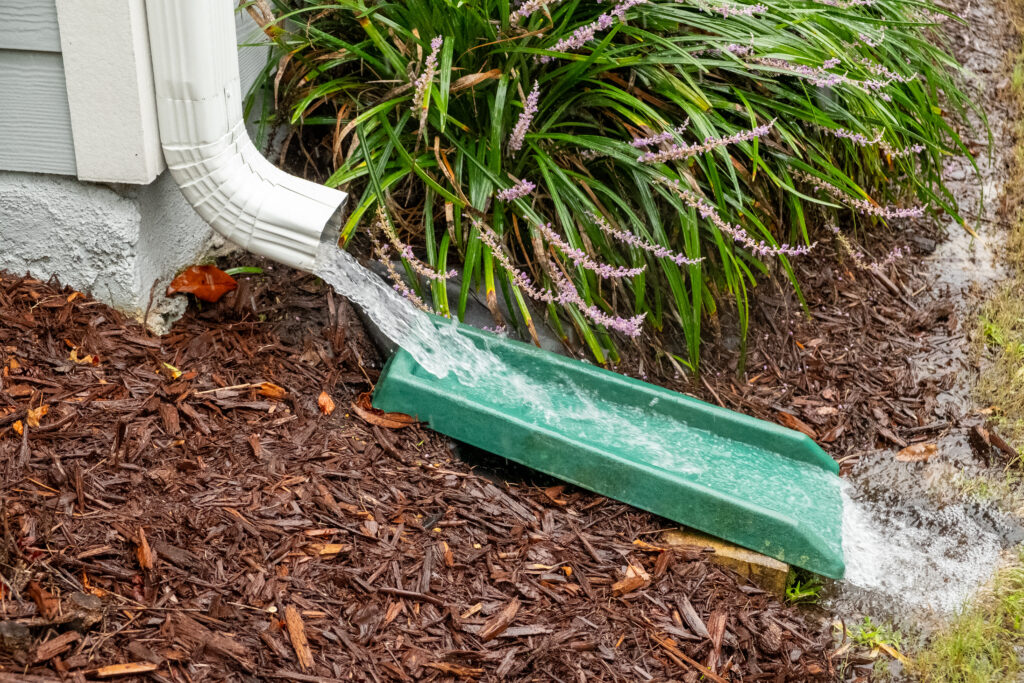
Patios, walkways, and retaining walls are also impacted by roof drainage.
Unmanaged runoff can:
- Undermine pavers and concrete
- Cause shifting or settling
- Create slippery, algae-covered surfaces
A properly designed roofing and gutter system helps preserve outdoor living spaces and keeps them safe and usable year-round.
Signs Your Roof May Be Harming Your Landscaping
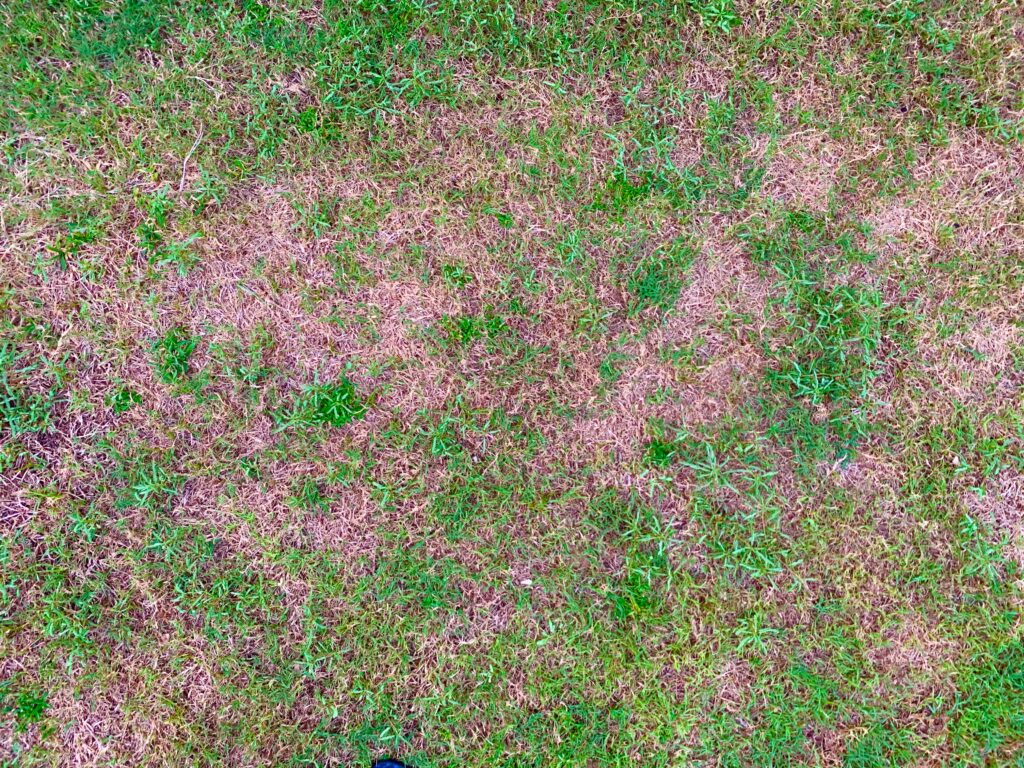
Homeowners should watch for:
- Bare soil near roof edges
- Mulch constantly washing away
- Plants struggling near the home despite proper care
- Water pooling after rain
These signs often point to a drainage issue that starts at the roofline.
A Holistic Approach to Home Protection
Healthy landscaping isn’t just about irrigation and plant selection—it’s about how water moves across your property. The roof, gutters, and drainage systems all work together to protect both your home and your yard.
When these systems are aligned, homeowners benefit from:
- Healthier soil
- Stronger plant growth
- Reduced erosion
- Lower maintenance costs
Landscaping and Your Roof
Your roof doesn’t just protect what’s inside your home—it directly impacts everything outside it as well. Proper runoff control, thoughtful gutter placement, and well-maintained roofing systems are essential to keeping your yard and landscaping healthy, especially in Florida’s climate.