
Hillsborough County’s Hidden Roof Problem: The Post-Milton Replacement Gap That Could Cost You This Season
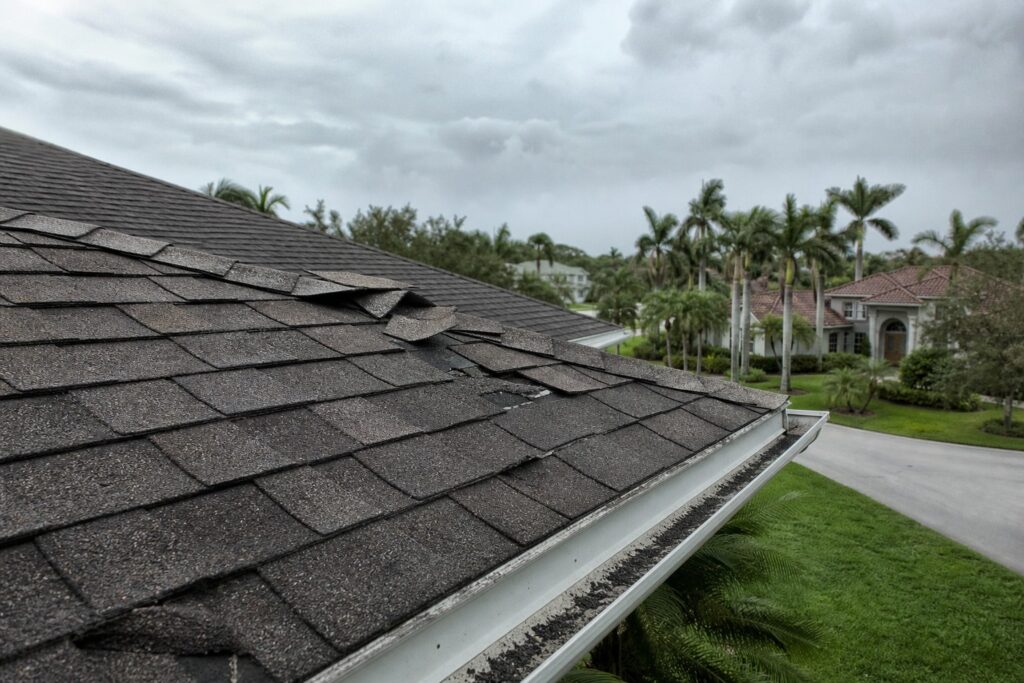
If you’re a Hillsborough County homeowner who made it through Hurricane Milton in October 2024 without rushing to get a new roof — you’re not alone. In fact, you’re part of a countywide pattern that has quietly created one of the most significant unaddressed risk factors heading into the 2026 hurricane season.
New analysis from RemodelTrends, which examined nearly 70,000 permits representing $31.7 billion in declared project valuations filed in Hillsborough County between April 2019 and March 2026, reveals a striking disconnect between storm damage and roof replacement activity. And for Brandon, Riverview, and Valrico homeowners, the implications are worth understanding before the next storm forms in the Gulf.
Two Storms, Two Completely Different Responses
After Hurricane Ian hit Hillsborough County in September 2022, the response was immediate and dramatic. December 2022 alone saw $104 million in roofing permits — 29 times the normal monthly baseline. Permit values per project jumped from $37,000 to $55,000 as homeowners rushed to get damaged roofs replaced before the next season.
After Hurricane Milton made landfall in October 2024, the opposite happened.
In the month Milton struck, Hillsborough County filed just 12 roofing permits. Total roofing investment dropped 59%. And unlike after Ian, there was no recovery surge in the months that followed. The replacement wave that would normally follow a major storm simply never came.
The result: RemodelTrends estimates that approximately 1,982 roofs that would have been replaced under normal post-storm conditions between 2022 and 2025 were not replaced. Those structures are heading into the 2026 hurricane season with unaddressed storm damage, deferred maintenance, or simply aging roofs that are now another year closer to failure.
Why Didn’t Homeowners Act After Milton?
Several factors converged after Milton to suppress the normal repair response:
Insurance friction. Florida’s property insurance market was already under severe stress in 2024. Carriers had tightened claims processing, some had exited the state, and the assignment-of-benefits reforms passed in 2022 changed how claims moved through the system. Many homeowners found the claims process slower and more contentious than after Ian, and some simply gave up or accepted a settlement that didn’t cover full replacement.
Cost sticker shock. Between 2021 and 2024, roofing permit volumes in Hillsborough County fell 63% — but the average cost per permitted project rose 61%. A reroof that might have cost $12,000–$15,000 in 2021 is now frequently quoted at $18,000–$24,000 for the same home. For homeowners who felt their roof was “good enough for now,” the price increase made deferral feel financially reasonable.
No visible urgency. Milton caused significant damage across the county, but much of it was less visually dramatic than the catastrophic losses seen in other parts of Florida. A roof that lost granules, had minor lifted shingles, or sustained flashing damage might look fine from the street — but is significantly more vulnerable to the next storm than it was before.
What This Means for Your Roof Right Now
This matters directly for Brandon-area homeowners for a few specific reasons.
First, if your roof sustained any damage during Milton — even minor damage you didn’t pursue a claim for — that damage has been sitting for over 18 months now. What was a lifted shingle is now a potential entry point for water. What was granule loss is now accelerated UV degradation through another Florida summer. The roof you thought was “holding up fine” may be less resilient than you realize.
Second, Hillsborough County homes are aging. The housing stock in core Brandon zip codes (33510, 33511) includes a significant number of homes built in the late 1990s and 2000s. A roof installed in 2005 is now 20-plus years old — well past the 15-year threshold where most Florida insurance carriers begin scrutinizing coverage eligibility. The backlog of deferred replacements is concentrated precisely in this age band.
Third, the cost trajectory is not improving. With per-project costs up 61% over four years and material prices continuing to reflect supply chain pressures, every month of deferral is a month in which replacement costs are likely higher — and your roof is a month more compromised.
The Practical Checklist for Brandon Homeowners
Given all of this, here’s what Hillsborough County homeowners should do before August — which is historically when storm activity in the Gulf begins to increase meaningfully:
- Get a post-Milton inspection if you haven’t already. Even if you didn’t file a claim, a professional inspection can identify damage you may not be aware of. Document everything with photos and a written report. If damage is found, you may still have options for reopening or pursuing a supplemental claim.
- Pull your insurance declarations page and check your roof coverage terms. Understand whether your policy covers replacement cost value (RCV) or actual cash value (ACV) for your roof. ACV policies depreciate the roof’s value, meaning you get significantly less for an older roof. If you’re on ACV, a 20-year-old roof may pay out only a fraction of replacement cost.
- Know your roof age. If your roof was installed before 2010, you’re likely in the window where carriers will either non-renew coverage, require an inspection before renewal, or downgrade from RCV to ACV. Getting ahead of that conversation now gives you options. Waiting until you receive a non-renewal notice does not.
- Get a replacement quote now, not after the next storm. Knowing the actual replacement cost for your specific roof — size, pitch, material — is valuable information regardless of when you act. Contractors are more available in June and July than they will be post-storm. Quotes are faster to obtain and more competitive when there’s no emergency backlog driving them.
The Bottom Line
Hillsborough County’s post-Milton data tells a clear story: thousands of roofs that needed attention didn’t get it. As the 2026 hurricane season moves into its active phase, those deferred decisions are compounding. The homeowners who act now — before the next storm, before the post-storm scramble, and before their insurance carrier makes decisions for them — are in a meaningfully better position than those who don’t.
Call Brandon Roofing at (813) 538-8200 for a free roof inspection. We’ll give you an honest assessment of where your roof stands, what the insurance implications are, and what your options look like — without pressure.
Published June 17, 2026. Permit data sourced from RemodelTrends analysis of Hillsborough County records (April 2019–March 2026). Insurance policy terms vary by carrier; consult your agent for coverage specifics.