
What Central Florida Homeowners Should Know Before Replacing Their Roof
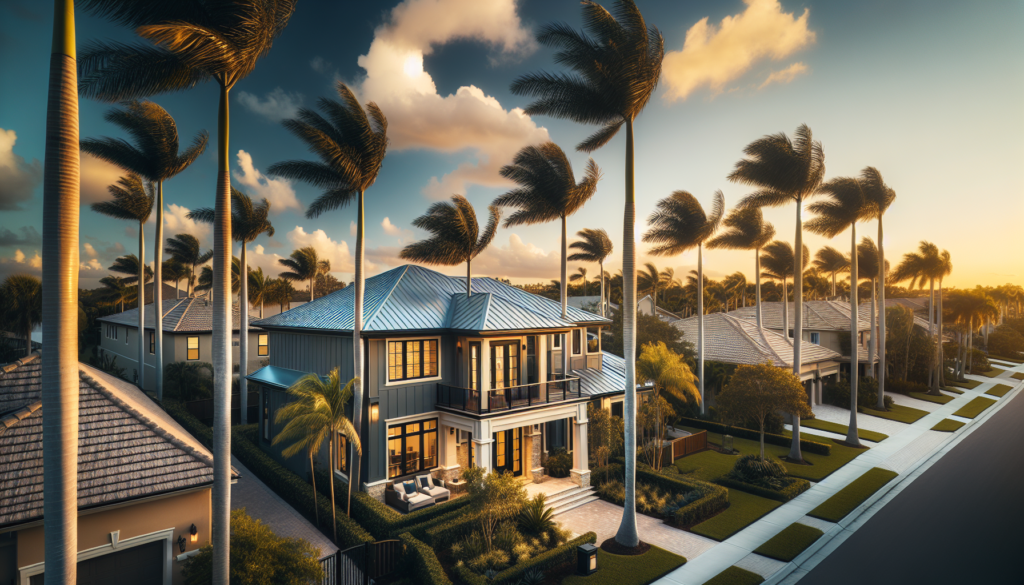
If you’re a homeowner in Central Florida—whether in Orlando, Clermont, Kissimmee, or anywhere in Lake, Orange, or Osceola County—you already know the weather here is demanding. Between the intense summer sun, afternoon thunderstorms, and the ever-present threat of hurricanes, your roof takes a beating every single year.
Replacing a roof is one of the biggest investments you’ll make in your home. Understanding what makes Central Florida roofing unique can help you make smarter decisions, avoid costly mistakes, and choose materials that will actually hold up to our climate.
Central Florida’s Climate Creates Unique Roofing Challenges
Central Florida homeowners face a combination of weather conditions that most other regions don’t experience all at once:
- Intense UV exposure – The Florida sun degrades roofing materials faster than in northern climates. Shingles that last 25 years up north may only last 15-18 years here.
- High humidity – Moisture promotes algae, mold, and mildew growth, especially on north-facing roof sections that get less direct sunlight.
- Heavy rain – Orlando averages over 50 inches of rain per year. Proper drainage and waterproofing aren’t optional—they’re essential.
- Hurricane and tropical storm exposure – Even if a major hurricane doesn’t make direct landfall, Central Florida regularly experiences tropical storm-force winds that test roofing systems.
What to Look for in a Central Florida Roof
When it’s time to replace your roof, don’t just think about what looks good—think about what performs well in our specific environment.
Wind Resistance Ratings Matter
Florida building code requires roofing materials to meet specific wind resistance standards, but not all products are created equal. Look for shingles rated for 130+ mph winds if you’re in a high-velocity hurricane zone, or at minimum 110 mph for most of Central Florida. Metal roofs often exceed these ratings and can handle winds up to 180 mph when properly installed.
Impact Resistance Saves Money
Hail isn’t as common here as in Texas or the Midwest, but it does happen—and when it does, the damage adds up. Impact-resistant shingles (Class 3 or Class 4 rated) can reduce damage from hail and wind-blown debris. Better yet, many insurance companies offer premium discounts for impact-resistant roofing materials.
Reflectivity and Energy Efficiency
In a region where air conditioning runs 8-9 months of the year, a reflective roof can meaningfully reduce your energy bills. Metal roofs, white or light-colored tiles, and “cool roof” shingles reflect more sunlight and absorb less heat than traditional dark shingles. This keeps your attic cooler and reduces the load on your HVAC system.
Popular Roofing Materials for Central Florida Homes
Each roofing material has pros and cons for our climate:
Asphalt Shingles – The most affordable option and still the most common. Modern architectural shingles offer better wind resistance and aesthetics than the 3-tab shingles of decades past. However, they have the shortest lifespan in Florida’s harsh conditions—typically 15-20 years.
Metal Roofing – Increasingly popular in Central Florida for good reason. Metal roofs last 50+ years, reflect heat, resist wind up to 180 mph, and require minimal maintenance. The upfront cost is higher, but the long-term value is hard to beat.
Tile Roofing (Clay and Concrete) – A classic Florida look that offers excellent durability and wind resistance when properly installed. Tile roofs can last 50+ years but require a reinforced roof structure due to their weight. They’re particularly popular in Orlando’s Mediterranean and Spanish-style neighborhoods.
Flat Roofs (TPO, Modified Bitumen) – Common on commercial buildings and some modern residential designs. Proper drainage is critical—standing water is the enemy of flat roofs in a region with heavy rainfall.
Insurance Considerations in Central Florida
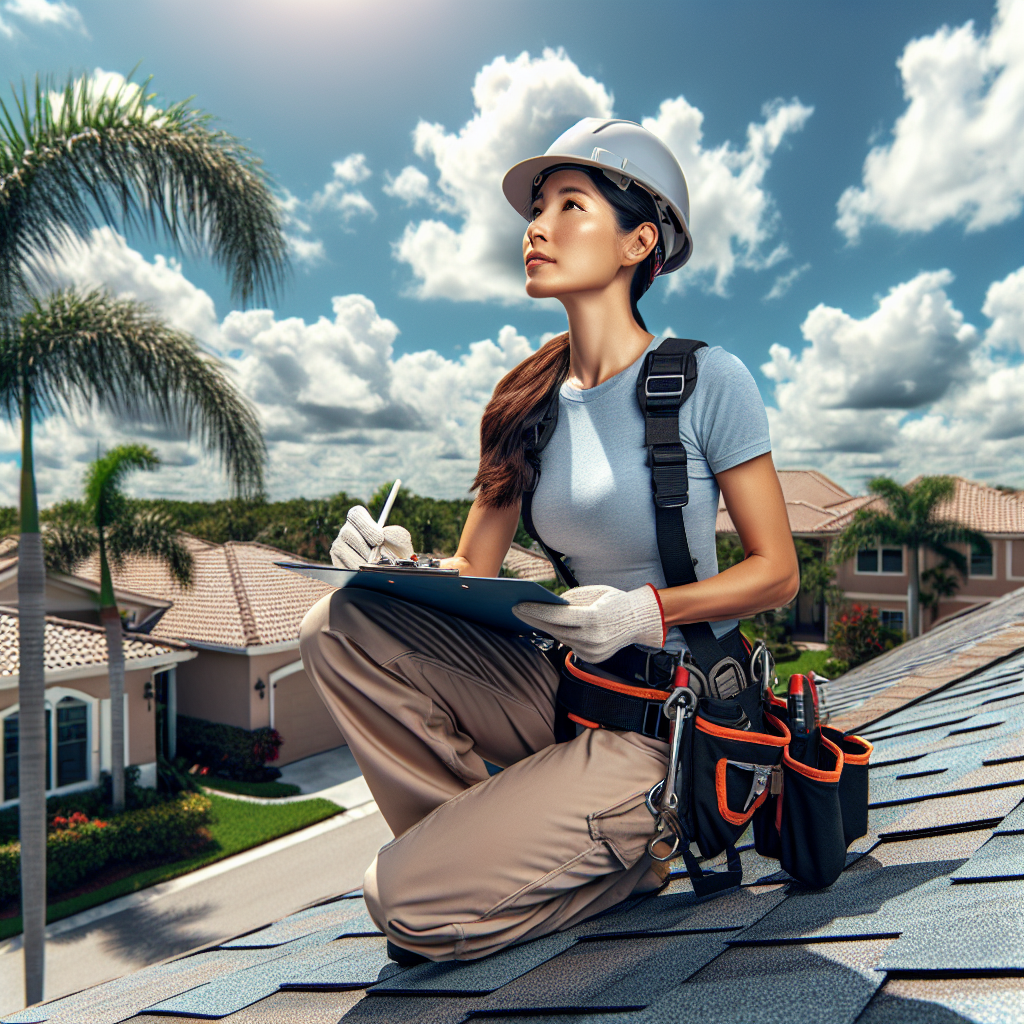
Your roof’s age and condition directly affect your homeowner’s insurance. Many Florida insurers now require roof inspections for homes with roofs older than 15-20 years, and some won’t write new policies for homes with roofs over a certain age.
Replacing an aging roof before you’re forced to can actually save money—not just on potential repairs, but through insurance premium reductions and avoiding the risk of being dropped by your carrier.
Ask your insurance agent about discounts for:
- Impact-resistant materials
- Hurricane straps and clips
- Secondary water barriers
- Metal roofing systems
Choosing a Roofing Contractor in Central Florida
When selecting a contractor for your roof replacement, look for:
- Florida licensing – Verify their license is current and covers roofing work in your county.
- Local experience – A contractor who knows Central Florida’s building codes, permit requirements, and weather patterns will deliver better results.
- Manufacturer certifications – Certified installers can offer better warranties because they’ve been trained to install products correctly.
- Insurance and bonding – Protect yourself from liability during the project.
- Detailed written estimates – You should know exactly what materials will be used, what work will be done, and what the timeline looks like.
Brandon Roofing Serves Central Florida
At Brandon Roofing, we’ve been serving Florida homeowners for over 30 years. Our Central Florida office in Clermont serves Lake, Orange, and Osceola counties—covering Orlando, Kissimmee, Winter Garden, and the surrounding communities.
Whether you’re considering asphalt shingles, metal roofing, or tile, we can help you choose the right material for your home, your budget, and Central Florida’s demanding climate. Contact us for a free estimate and honest advice about your roof replacement options.
Central Florida Office: 11407 Jardim Orlando Ct, Clermont, FL 34711
Phone: (352) 638-7788