
How Spring Storms Impact Your Roof: What Central Florida Homeowners Need to Know
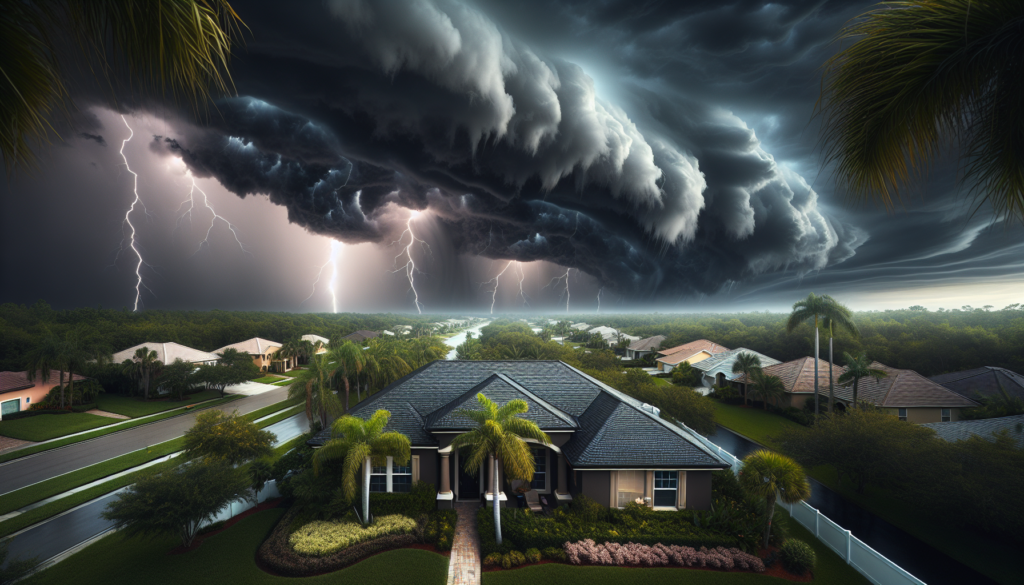
As winter fades and temperatures climb across Central Florida, homeowners in the Orlando, Lake County, and Osceola County areas know what’s coming: spring storm season. From sudden afternoon thunderstorms to powerful wind events, the transition into Florida’s wet season can take a serious toll on your roof — often without you even realizing it.
Why Spring Storms Are a Unique Threat in Central Florida
Unlike hurricanes that make national news, spring storms in Central Florida are quieter but just as damaging over time. Here’s what makes them dangerous for your roof:
- High winds: Spring thunderstorms frequently produce wind gusts of 50-70 mph — enough to lift shingles, loosen flashing, and send debris flying into your roof.
- Hail: While less common than in the Midwest, Central Florida does experience hail during strong spring storms, which can crack shingles and damage metal roofing.
- Heavy rain: Sudden downpours can expose weaknesses in your roof system — small gaps around vents, worn sealant, or aging underlayment that’s been slowly deteriorating.
- Lightning: Florida is the lightning capital of the U.S., and spring kicks off the season. A direct strike can cause immediate structural damage.
Common Roof Damage From Spring Storms
After a strong spring storm rolls through areas like Clermont, Kissimmee, or Winter Garden, here are the most common types of roof damage we see at FL Brandon Roofing:
- Lifted or missing shingles — Wind gets under shingle edges and peels them back. Sometimes they fly off completely, leaving the underlayment exposed.
- Cracked or bruised shingles — Hail and wind-blown debris can leave marks you won’t notice from the ground but that compromise your roof’s waterproof barrier.
- Damaged flashing — The metal strips around chimneys, vents, and roof edges can bend or pull away during storms, creating entry points for water.
- Clogged or damaged gutters — Storms drop leaves, branches, and debris that clog gutters, causing water to back up under your roofline.
- Soffit and fascia damage — Strong winds can loosen soffit panels and damage fascia boards, which protect the structural edge of your roof.
What You Can Do Before the Next Storm
The best time to address spring storm roof damage is before it happens. Here are practical steps every Central Florida homeowner should take:
1. Schedule a Professional Roof Inspection
A trained roofer can spot vulnerabilities that aren’t visible from the ground. At FL Brandon Roofing, we provide thorough inspections for homeowners across Lake, Orange, and Osceola counties — identifying potential problems before storms turn them into expensive repairs.
2. Trim Overhanging Trees
Central Florida’s lush tree canopy is beautiful, but overhanging branches are a major risk during storms. Keep branches trimmed at least 6 feet from your roofline to reduce impact damage and debris accumulation.
3. Clean and Secure Your Gutters
Make sure gutters are clear and firmly attached. Proper drainage prevents water from pooling on your roof or seeping under shingles during heavy rain.
4. Check Your Attic After Storms
After any significant storm, take a flashlight to your attic and look for signs of moisture — water stains, damp insulation, or daylight coming through the roof deck. Early detection can save thousands in repair costs.
Understanding Your Insurance Coverage
Many Central Florida homeowners don’t fully understand what their insurance covers when it comes to storm damage. Here are key things to know:
- Most standard Florida homeowner policies cover wind damage — but you typically have a separate hurricane deductible (usually 2-5% of your home’s insured value).
- Spring storm damage is usually covered under your regular deductible, not the hurricane deductible, since these storms aren’t named events.
- Time matters: Florida law requires you to report damage promptly. Don’t wait weeks or months to file a claim after discovering storm damage.
- Document everything: If you notice damage after a storm, take photos before making any temporary repairs. This helps support your claim.
At FL Brandon Roofing, we work with insurance companies regularly and can help guide you through the process if your roof sustains storm damage.
Why Act Now?
Spring storms in Central Florida aren’t a matter of if — they’re a matter of when. Getting ahead of the season means less stress, fewer emergency repairs, and a roof that’s ready to protect your family through whatever Florida weather throws at it.
Whether you’re in Clermont, Orlando, Kissimmee, Winter Garden, Leesburg, or anywhere in the greater Central Florida area, FL Brandon Roofing is here to help. As a third-generation family roofing company with over 30 years of experience, we understand Florida roofs inside and out.
Ready to get your roof storm-ready? Call our Central Florida office at (352) 638-7788 or visit us at 11407 Jardim Orlando Ct, Claremont, FL 34711. We offer free inspections and honest assessments — no pressure, just expert advice.