
How Hurricanes Have Changed Roofing Standards in Florida Homes
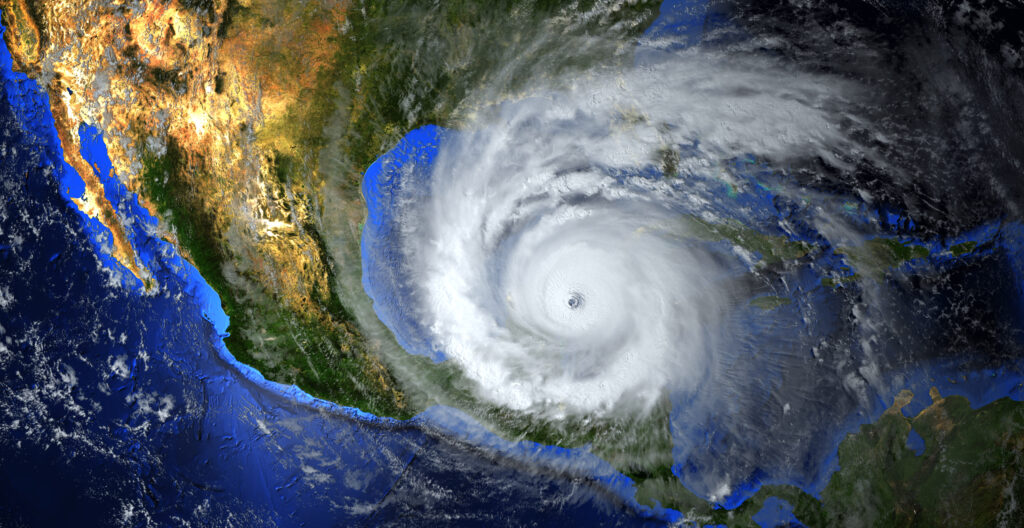
Florida’s roofing standards weren’t created in a vacuum. They are the direct result of decades of hurricane damage, costly insurance losses, and hard lessons learned from storms that exposed weaknesses in how homes were built.
Today’s roofing requirements exist because older systems failed under real-world conditions. Understanding how hurricanes reshaped Florida’s building codes helps homeowners see why modern roofing standards matter—and why older roofs are often under closer scrutiny.
Before Hurricanes Changed the Conversation
Prior to the 1990s, many Florida homes were built with roofing standards that focused primarily on basic weather protection rather than extreme wind resistance.
Common characteristics of older roofs included:
- Fewer fasteners per shingle
- Minimal attention to wind uplift
- Organic felt underlayment
- Limited roof-to-deck attachment requirements
These systems worked under normal conditions—but they were not designed for sustained hurricane-force winds.
Hurricane Andrew: The Turning Point
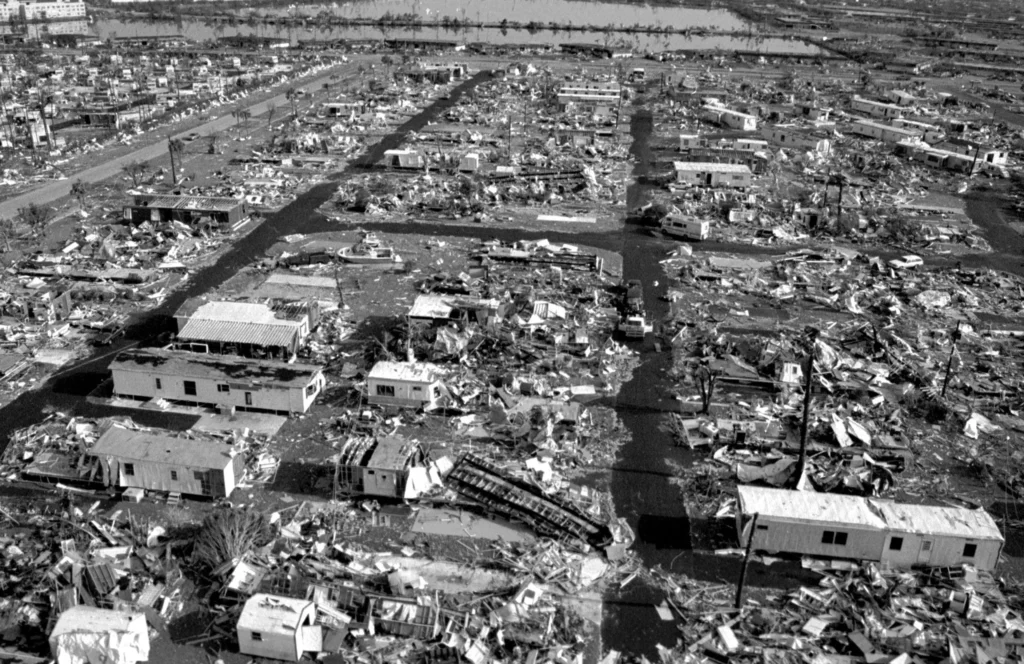
In 1992, Hurricane Andrew struck South Florida and became one of the most destructive storms in U.S. history. Entire neighborhoods were leveled, and investigations revealed a clear pattern:
Roof failures were often the first point of structural collapse.
When roofs failed:
- Walls were exposed to pressure changes
- Water rapidly entered homes
- Structural integrity was compromised
Andrew exposed widespread issues with roofing installation practices, fastening patterns, and material performance.
The Birth of Stronger Building Codes
In response, Florida began rethinking how homes were built. This led to the eventual creation of the Florida Building Code (FBC) in the early 2000s, which standardized construction requirements statewide.
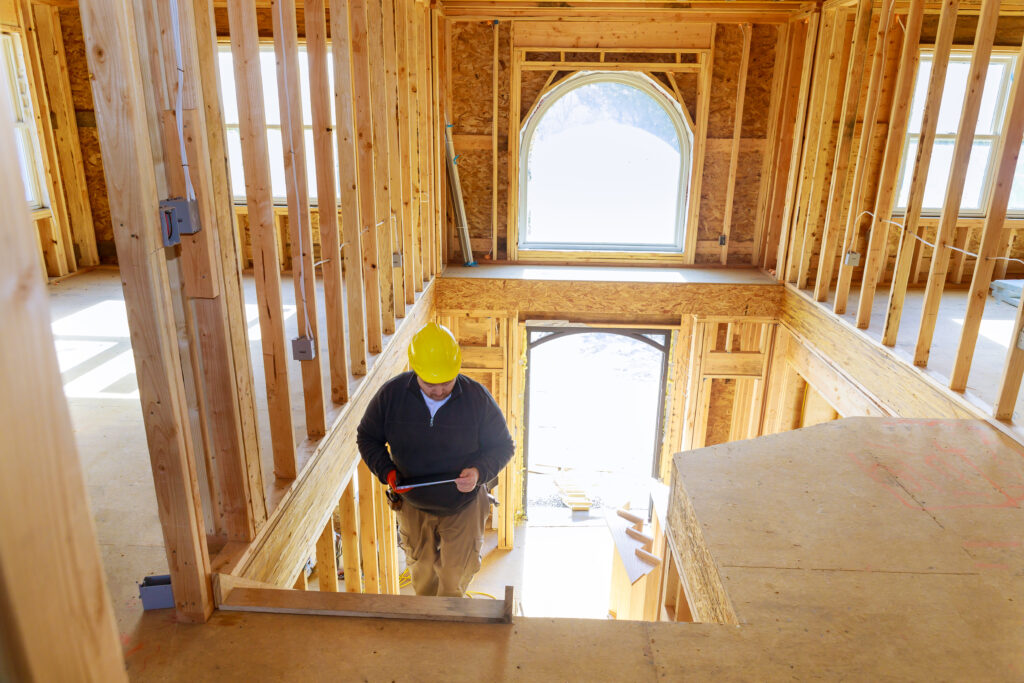
Key roofing improvements included:
- Increased fastener requirements
- Stricter nailing patterns
- Enhanced underlayment standards
- Improved flashing details
- Better roof-to-deck attachment rules
These changes were designed specifically to prevent the types of failures seen during major hurricanes.
Why 2005 Became a Key Benchmark
Homes built around or after 2005 typically reflect updated roofing standards influenced by years of storm data and engineering improvements.
This is why:
- Insurance companies often scrutinize roofs on homes built before 2005
- Older roofs may not meet modern wind uplift requirements
- Pre-2005 homes are more likely to need upgrades to remain insurable
It’s not that older homes were poorly built—it’s that they were built before Florida fully understood what hurricanes demand from a roof.
Modern Roofing Is About Systems, Not Just Shingles

One of the biggest shifts in roofing philosophy is the move from focusing on individual materials to evaluating the entire roofing system.
Modern standards emphasize:
- How the roof covering attaches to the deck
- How water barriers perform if shingles fail
- How edges, ridges, and penetrations are reinforced
- How wind pressure moves across roof surfaces
This systems-based approach significantly improves storm performance.
Hurricanes Continue to Shape Roofing Requirements
Each major storm provides new data. Roofing standards evolve as engineers study:
- Wind uplift patterns
- Failure points
- Material performance over time
Florida’s roofing requirements today reflect lessons learned from multiple hurricanes—not just Andrew, but decades of storm activity across the state.
Why This Matters to Homeowners Today
Understanding this history helps homeowners make informed decisions.
A roof that meets modern standards:
- Is more likely to withstand severe storms
- Improves insurance eligibility
- Reduces the risk of catastrophic damage
- Provides greater long-term value
It also explains why insurers, inspectors, and buyers place so much emphasis on roof age, installation quality, and documentation.
Looking Forward
Florida’s roofing standards weren’t created to make homeownership more difficult—they were created to make homes safer, stronger, and more resilient.
As hurricanes continue to shape life in Florida, roofing systems will continue to evolve. Homeowners who understand the why behind these standards are better prepared to protect their homes and plan for the future.
Roofing Standards in Florida
Hurricanes have permanently changed how Florida builds roofs—and for good reason. Today’s roofing standards are the result of real storms, real damage, and real lessons learned.
For Florida homeowners, a modern, well-installed roof isn’t just a building requirement. It’s one of the most important safeguards against the state’s most powerful natural forces.