
How to Choose the Right Roofing Material for Central Florida Homes
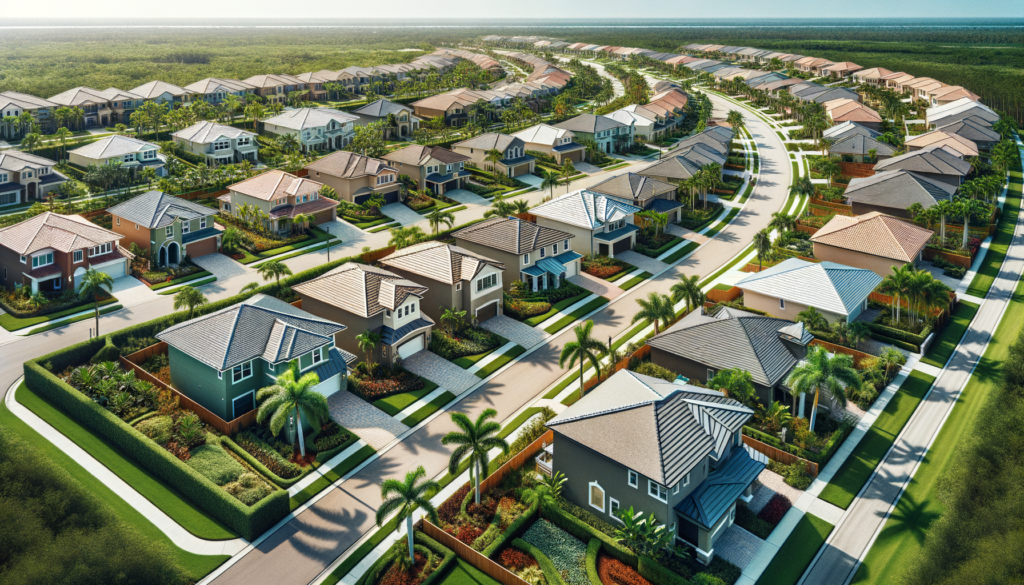
Central Florida homeowners face a unique set of challenges when selecting roofing materials. Between intense summer heat, high humidity, afternoon thunderstorms, and the ever-present threat of hurricanes, your roof needs to handle conditions that most of the country never experiences.
If you are building a new home in Lake, Orange, or Osceola County — or replacing an aging roof — understanding how each material performs in our climate can save you thousands of dollars and years of headaches.
What Central Florida Weather Demands From Your Roof
Before comparing materials, it helps to understand the specific stressors your roof faces in the Greater Orlando area:
- UV exposure: Central Florida averages over 230 sunny days per year. Prolonged UV degrades many roofing materials faster than in northern climates.
- Wind resistance: Florida Building Code requires roofs to withstand minimum 120 mph winds in most Central Florida zones. Some areas require higher ratings.
- Moisture and humidity: Year-round humidity promotes algae and mold growth, especially on north-facing slopes.
- Thermal cycling: Roof surface temperatures can exceed 160°F in summer, then cool rapidly during afternoon storms. This expansion and contraction stresses materials over time.
Asphalt Shingles: The Most Common Choice
Roughly 80 percent of Florida homes use asphalt shingles, and for good reason. They offer a solid balance of affordability, availability, and wind resistance when properly installed.
Modern architectural shingles rated for 130 mph winds are the minimum you should consider in Central Florida. Look for algae-resistant varieties — manufacturers add copper granules that inhibit the black streaking common on Florida roofs.
Lifespan in Central Florida: 15 to 25 years, depending on quality and ventilation. UV exposure shortens lifespan compared to northern states where the same shingles might last 30 years.
Metal Roofing: Built for Florida Conditions
Metal roofing has grown significantly in popularity across Central Florida, and for good reason. Standing seam metal roofs can withstand winds exceeding 150 mph and reflect solar radiation rather than absorbing it.
Energy savings are a real benefit here. A properly installed metal roof with reflective coating can reduce cooling costs by 10 to 25 percent — meaningful when your air conditioner runs eight months a year.
Lifespan in Central Florida: 40 to 70 years. The higher upfront cost pays off over time, especially when you factor in insurance discounts that many carriers offer for metal roofs.
Clay and Concrete Tile: The Florida Classic
Tile roofs are a staple of Florida architecture, particularly in newer developments across Lake and Orange County. They handle heat exceptionally well and are naturally resistant to insects and rot.
The main consideration is weight. Tile roofs are significantly heavier than other options, which means your roof structure must be engineered to support them. This is rarely an issue on new construction but can be a limiting factor for re-roofs on older homes.
Lifespan in Central Florida: 50+ years for the tile itself, though the underlayment typically needs replacement every 20 to 25 years.
Flat Roofing Systems: Common on Commercial Properties
Many commercial buildings and some modern residential designs in the Clermont and Orlando areas use flat or low-slope roofing. TPO and modified bitumen are the most common choices here.
Proper drainage is critical with flat roofs in Central Florida. Our afternoon downpours can dump several inches of rain in under an hour, and ponding water is the number one cause of flat roof failures in this region.
Insurance Considerations That Affect Your Decision
Your roofing material choice directly impacts your homeowners insurance premium in Florida. Many carriers offer significant discounts for impact-resistant materials, and some are increasingly reluctant to insure homes with roofs over 15 years old regardless of material.
Before committing to a material, call your insurance agent. Ask specifically about:
- Premium discounts for metal or impact-rated shingles
- Whether they require a four-point inspection for the roof age
- How a wind mitigation report could lower your premium
In many cases, the insurance savings from upgrading to metal or impact-rated shingles can offset a meaningful portion of the higher material cost.
What We Recommend for Central Florida Homeowners
After three decades of roofing homes across Lake, Osceola, and Orange counties, our recommendation depends on your situation:
- Best value: High-quality architectural shingles (130+ mph rated, algae-resistant)
- Best long-term investment: Standing seam metal roofing
- Best for Florida aesthetics: Concrete or clay tile
- Best for commercial: TPO membrane with proper drainage design
The most expensive mistake is choosing based on price alone. A cheap roof that fails in five years costs far more than a quality installation that lasts decades.
Get a Professional Assessment
Every home is different. Roof pitch, structural capacity, HOA requirements, and your long-term plans all factor into the best choice. Our Central Florida team can evaluate your specific situation and help you weigh the options.
Call our Central Florida office at (352) 638-7788 to schedule a free consultation. We serve homeowners throughout Lake, Osceola, and Orange counties from our Clermont location.