
Common Roof Problems in Tampa Bay Homes Built Before 2005
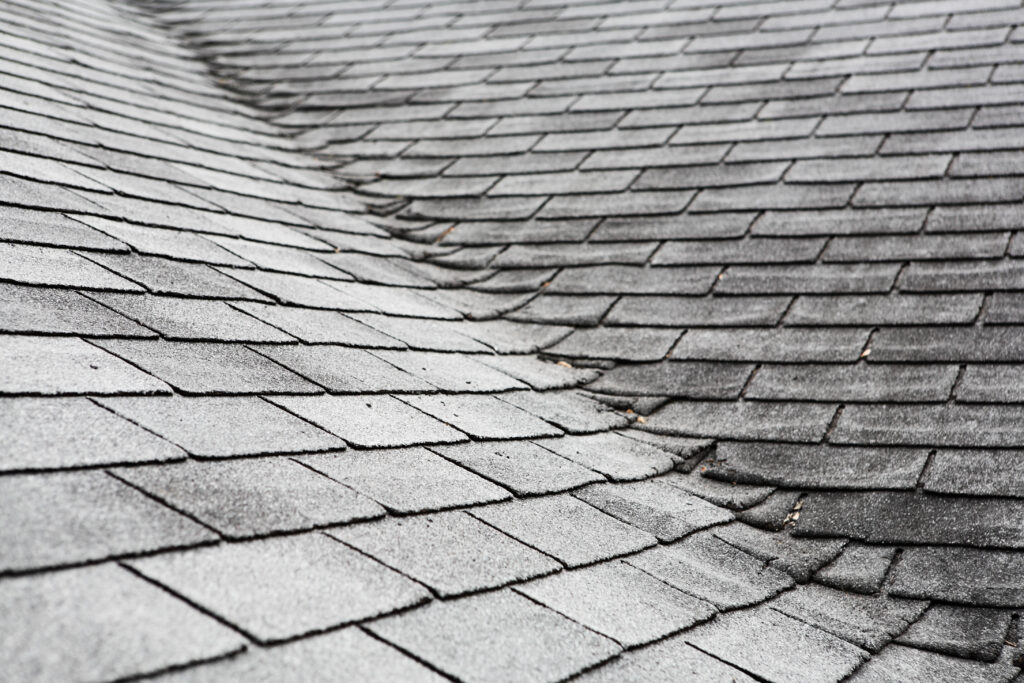
Tampa Bay has thousands of well-built homes constructed before 2005. While many of these homes have solid bones and great locations, their roofs often reflect older building standards, materials, and installation practices that don’t always hold up to today’s climate, storm frequency, and insurance scrutiny.
Understanding the most common roof problems seen in pre-2005 homes can help homeowners identify issues early and plan upgrades before small problems turn into major expenses.
Why 2005 Is a Key Cutoff Year
Building codes in Florida changed significantly in the early 2000s, especially after major hurricanes exposed weaknesses in roofing systems. Homes built before 2005 often predate:
- Modern wind uplift requirements
- Improved fastening patterns
- Updated underlayment standards
- Enhanced flashing and water barrier requirements
As a result, many older roofs are more vulnerable—even if they appear fine at a glance.
1. Aging or Outdated Asphalt Shingles
Asphalt shingles installed before 2005 were often thinner and less durable than today’s architectural shingles.
Common issues include:
- Granule loss
- Curling or brittle shingles
- Heat-related cracking
- Uneven fading
In Florida’s heat and humidity, these problems accelerate, increasing the risk of leaks and storm damage.
2. Insufficient Wind Resistance
Older roofs may not meet current wind uplift standards.
Typical concerns include:
- Fewer fasteners per shingle
- Improper nailing placement
- Deck attachment that doesn’t meet current code
During strong storms, these weaknesses can lead to shingle loss or roof failure—even when wind speeds are lower than hurricane thresholds.
3. Underlayment That Has Reached the End of Its Life
Underlayment is a critical moisture barrier beneath the roof covering. In older homes, underlayment is often:
- Organic felt rather than modern synthetic materials
- Brittle or deteriorated
- No longer providing effective protection
When shingles fail, aged underlayment offers little defense against water intrusion.
4. Flashing Failures Around Penetrations
Homes built before 2005 frequently have outdated flashing details around:
- Chimneys
- Plumbing vents
- Skylights
- Roof-to-wall intersections
Over time, flashing sealants dry out and metal components corrode, creating hidden leak paths that often go unnoticed until interior damage appears.
5. Poor or Inadequate Roof Ventilation
Ventilation standards have evolved significantly.
Many older Tampa Bay homes suffer from:
- Insufficient attic airflow
- Trapped heat and moisture
- Increased shingle deterioration
- Higher energy costs
Poor ventilation not only shortens roof lifespan but also affects indoor comfort and attic health.
6. Water Intrusion at Valleys and Low-Slope Areas
Roof valleys and low-slope sections are high-risk areas on any roof, but older installations often lack:
- Modern self-adhering waterproof barriers
- Proper metal valley protection
- Adequate water diversion design
These areas commonly become leak sources during Florida’s heavy rains.
7. Rusted or Failing Fasteners
Older roofs may contain:
- Non-galvanized nails
- Fasteners prone to corrosion
- Backed-out or loosened nails
As fasteners fail, roof coverings lose stability, increasing vulnerability to wind and water intrusion.
8. Drainage and Gutter Integration Issues
Many pre-2005 homes were built with minimal attention to roof drainage.
Common problems include:
- Inadequate gutter sizing
- Poor downspout placement
- Water pooling near foundations
- Erosion around the home
These issues affect not only the roof but also siding, landscaping, and structural elements.
When Homeowners Should Pay Attention
Homeowners in older Tampa Bay homes should be especially alert if they notice:
- Missing or damaged shingles
- Interior water stains
- Rising energy bills
- Insurance inspection requests
- Frequent minor roof repairs
These are often signs that the roof system as a whole is nearing the end of its useful life.
Planning Ahead Saves Money and Stress
For many pre-2005 homes, roofing issues don’t appear suddenly—they develop gradually. Proactive inspections and strategic upgrades allow homeowners to:
- Avoid emergency repairs
- Maintain insurance eligibility
- Improve energy efficiency
- Increase resale value
Final Thoughts
Homes built before 2005 are a vital part of Tampa Bay’s neighborhoods, but their roofs often reflect an earlier era of construction standards. Understanding common problem areas helps homeowners make informed decisions before issues escalate.
A well-maintained, updated roofing system is one of the most important investments homeowners can make in preserving both comfort and long-term property value.