
How a Hard Freeze Can Affect an Aging Florida Roof
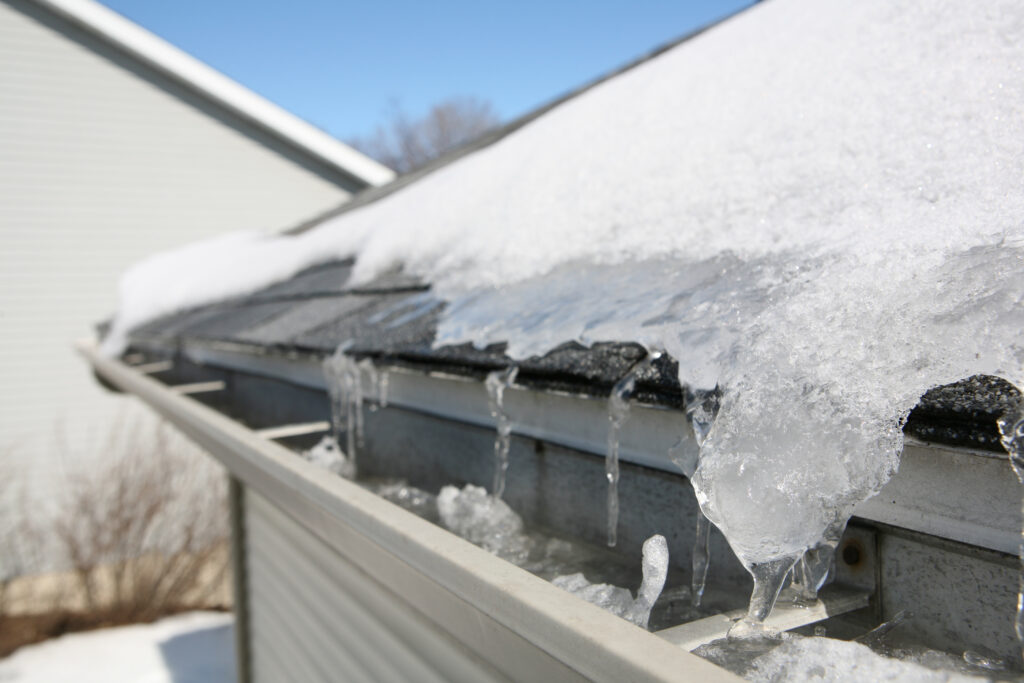
Florida homeowners don’t usually worry about freezing temperatures—but when a hard freeze hits, aging roofs can take a quiet beating. Even a short stretch of below-freezing weather can expose weaknesses that have been building for years.
For roofs already near the end of their lifespan, a freeze can be the stress test that turns small, hidden issues into expensive problems.
Why Freezing Temperatures Matter in Florida
Florida roofs are designed primarily for heat, UV exposure, humidity, and storms—not repeated freeze-thaw cycles. When temperatures drop suddenly:
- Roofing materials contract
- Trapped moisture freezes and expands
- Older materials become brittle instead of flexible
This combination is especially risky for roofs that are 15–25+ years old.
Common Freeze-Related Issues on Aging Roofs
1. Cracked or Brittle Shingles
Asphalt shingles lose flexibility with age. During a freeze, they can:
- Crack instead of flex
- Develop surface fractures that allow water intrusion
- Break at fastener points
Once cracked, shingles rarely reseal properly—even when temperatures rise.
2. Expansion and Contraction Stress
Roofing systems are layered assemblies. When materials expand and contract at different rates, it can:
- Loosen fasteners
- Stress sealants and flashing
- Create small gaps that allow water entry
These gaps often go unnoticed until the next heavy rain.
3. Moisture Expansion Under the Roof
Any moisture already present—whether from:
- Minor leaks
- Condensation
- Aging underlayment
can freeze and expand, worsening existing damage beneath the surface. This is one reason leaks sometimes appear after a freeze, not during it.
4. Flashing and Sealant Failure
Older flashing and sealants may:
- Shrink or crack in cold temperatures
- Pull away from vents, chimneys, or skylights
- Lose adhesion after repeated temperature swings
These areas are among the most common post-freeze leak sources.
Why Aging Roofs Are Most at Risk
Newer roofs typically have:
- Flexible materials
- Modern underlayments
- Properly sealed penetrations
Aging roofs often have:
- UV-degraded shingles
- Hardened sealants
- Underlayment nearing the end of its service life
A hard freeze doesn’t cause these problems—it exposes them.
Signs to Watch for After a Freeze
After temperatures return to normal, homeowners should look for:
- Missing or visibly cracked shingles
- Water stains on ceilings or walls
- Drips around vents or skylights
- Granules collecting in gutters or downspouts
Even subtle signs can indicate underlying damage.
Why a Post-Freeze Roof Inspection Matters
Many freeze-related issues are not obvious from the ground. A professional inspection can identify:
- Early material failure
- Flashing separation
- Small leaks before they become structural damage
Catching problems early often means repair instead of replacement—especially for roofs that are already aging.
Hard Freezes
Hard freezes are rare in Florida—but when they happen, they can be unforgiving to older roofs. If your roof is nearing the end of its expected lifespan, cold snaps aren’t just uncomfortable—they’re a warning sign.
A simple inspection after a freeze can provide peace of mind and help protect one of your home’s most important systems.