
Florida Roofing
Flat Roof Maintenance Tips Every Central Florida Commercial Property Owner Should Know
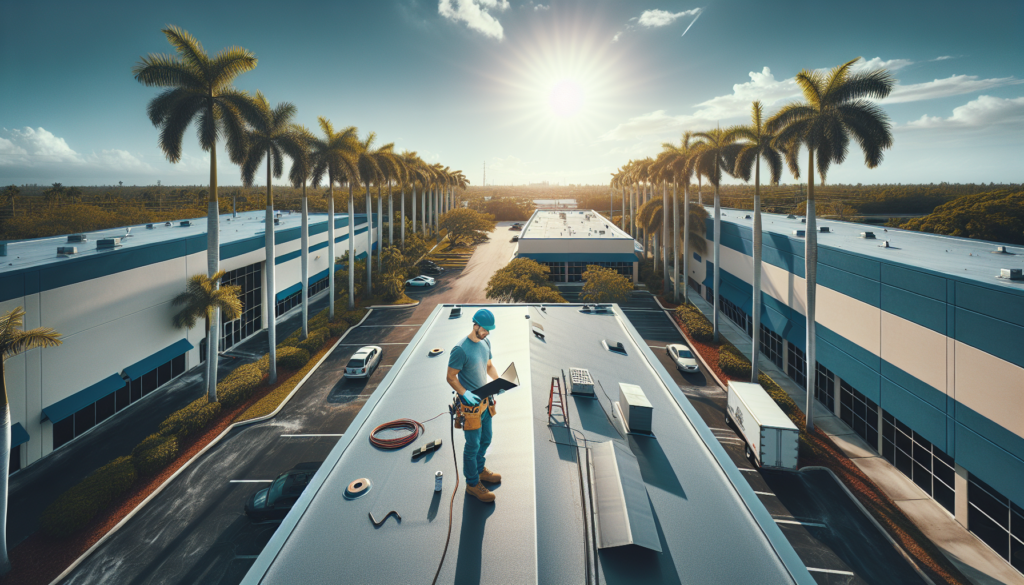
Why Flat Roofs Need Extra Attention in Central Florida If you own a commercial building in the Greater Orlando area — Lake County, Osceola, or Orange County — there is a good chance your property has a flat or low-slope roof. These roofing systems are practical and cost-effective, but Central Florida’s climate puts them through…
Read MoreWhy Tampa Bay Homeowners Are Switching to Metal Roofing
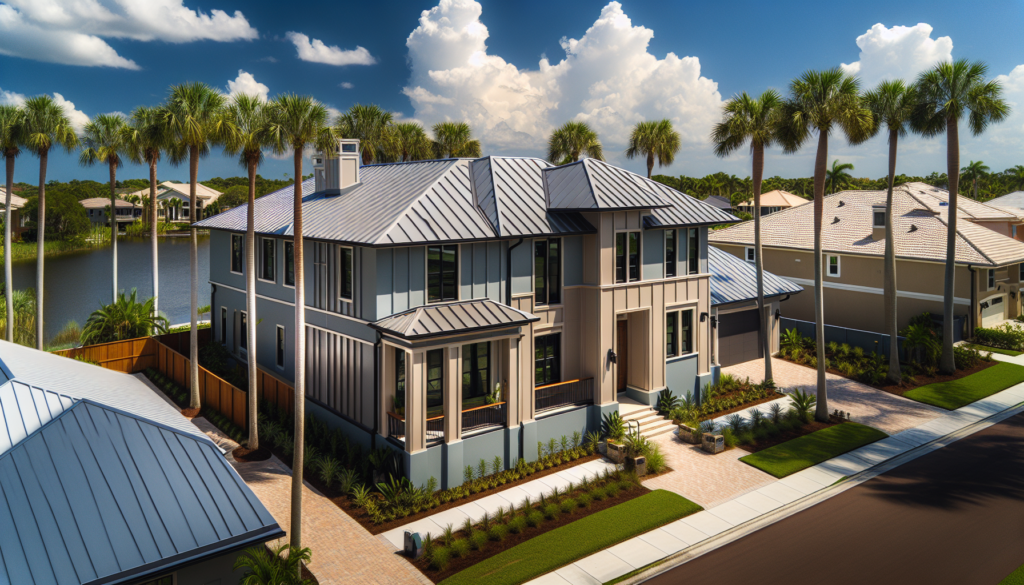
Tampa Bay homeowners are discovering the benefits of metal roofing: superior hurricane resistance, insurance savings, and 40-70 year lifespans. Here’s what you need to know.
Read MoreWhat to Expect During a Roof Insurance Inspection in Orlando

If you own a home in Orlando, Kissimmee, Winter Garden, or anywhere in Central Florida, there’s a good chance your insurance company has asked about your roof—or will soon. Roof inspections have become a routine part of homeowner’s insurance in Florida, and understanding what to expect can help you prepare, avoid surprises, and potentially save…
Read MoreHow Tampa Bay’s Salt Air Affects Your Roof

Living near the coast in Tampa Bay comes with undeniable perks—stunning sunsets, easy beach access, and that unmistakable ocean breeze. But that salty air carries a hidden cost for homeowners: accelerated wear and tear on your roof. If you live in Clearwater, St. Petersburg, Tampa, or anywhere along the Hillsborough, Pinellas, or Pasco County coastline,…
Read MoreWhat Central Florida Homeowners Should Know Before Replacing Their Roof
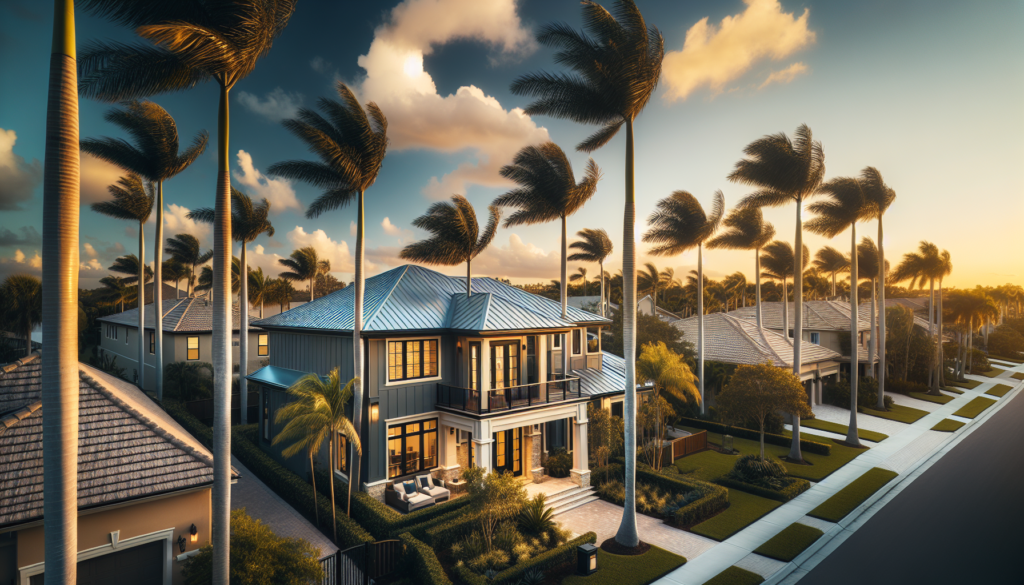
If you’re a homeowner in Central Florida—whether in Orlando, Clermont, Kissimmee, or anywhere in Lake, Orange, or Osceola County—you already know the weather here is demanding. Between the intense summer sun, afternoon thunderstorms, and the ever-present threat of hurricanes, your roof takes a beating every single year. Replacing a roof is one of the biggest…
Read MoreHow a Hard Freeze Can Affect an Aging Florida Roof
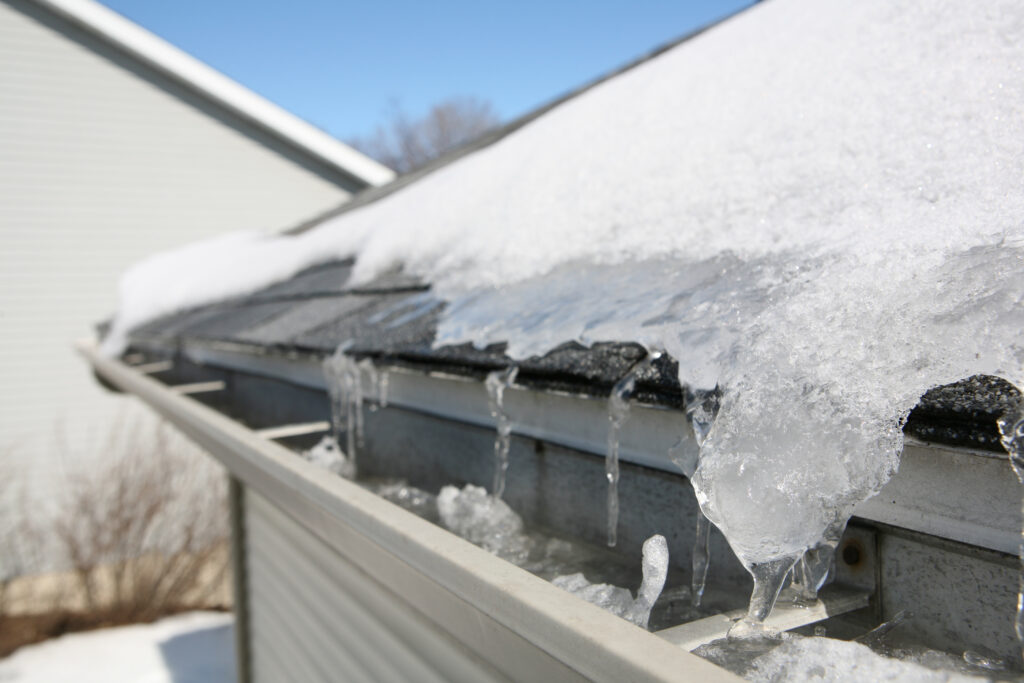
Florida homeowners don’t usually worry about freezing temperatures—but when a hard freeze hits, aging roofs can take a quiet beating. Even a short stretch of below-freezing weather can expose weaknesses that have been building for years. For roofs already near the end of their lifespan, a freeze can be the stress test that turns small,…
Read MoreWhy Florida Homes Need Roofing Designed for Heat, Humidity, and Storms
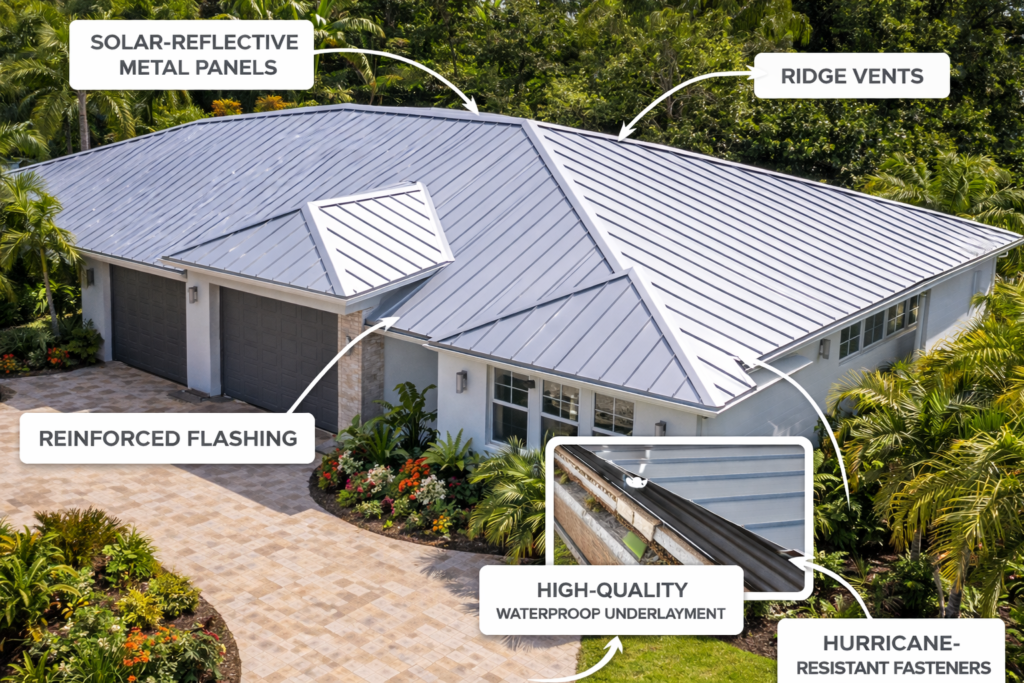
Florida’s climate is unlike anywhere else in the country. Homes here face relentless sun, year-round humidity, intense rain, and the constant threat of tropical storms and hurricanes. Because of this, roofing systems that perform well in other states often struggle in Florida. A roof designed specifically for Florida’s conditions isn’t a luxury—it’s a necessity. Extreme…
Read MoreHow Hurricanes Have Changed Roofing Standards in Florida Homes
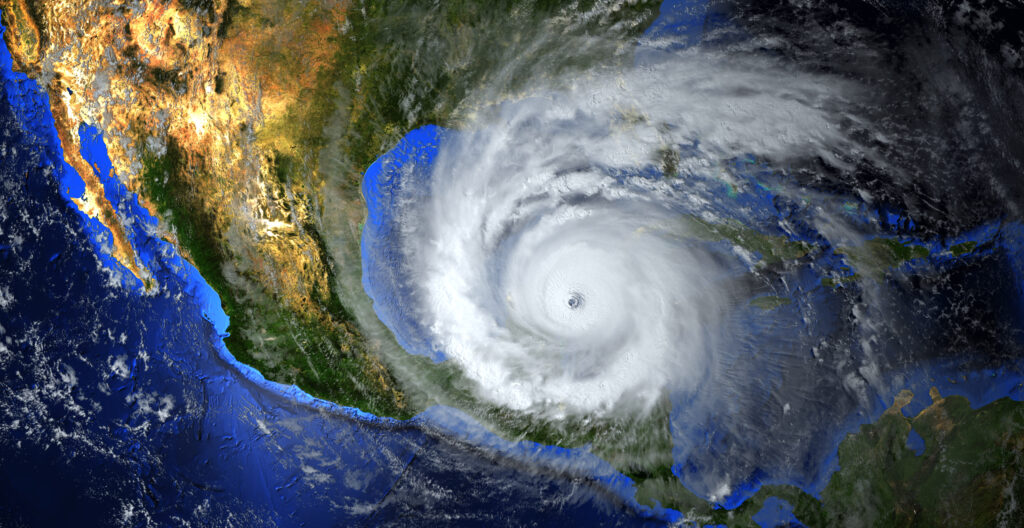
Florida’s roofing standards weren’t created in a vacuum. They are the direct result of decades of hurricane damage, costly insurance losses, and hard lessons learned from storms that exposed weaknesses in how homes were built. Today’s roofing requirements exist because older systems failed under real-world conditions. Understanding how hurricanes reshaped Florida’s building codes helps homeowners…
Read MoreWhat Florida Home Insurance Companies Are Saying About Roof Age, Materials, and Coverage
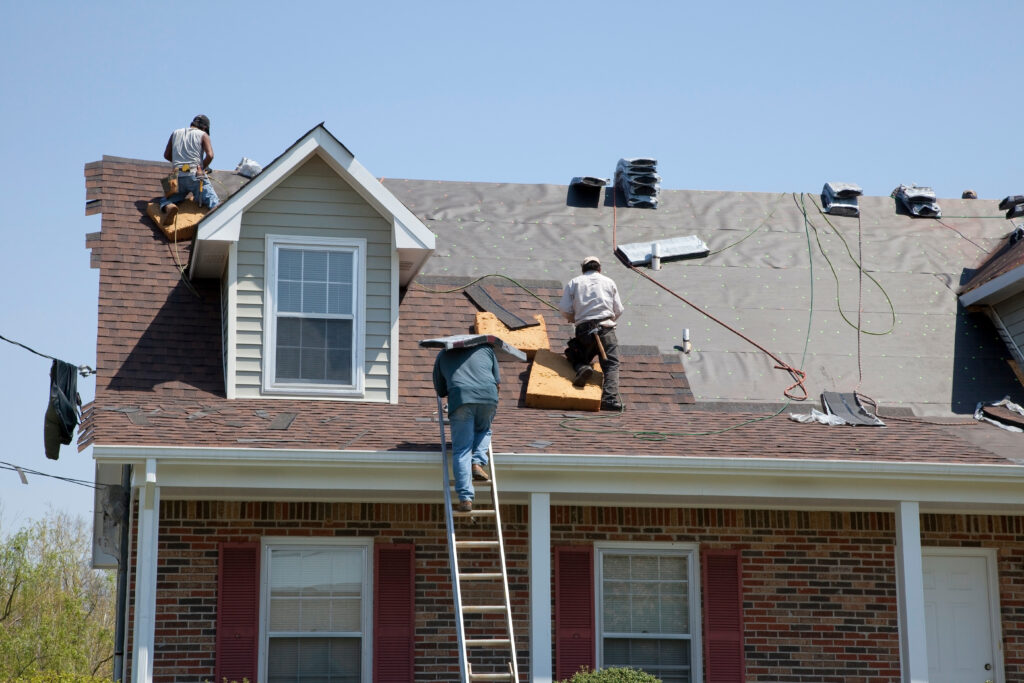
In Florida, few parts of a home are scrutinized by insurance companies more than the roof. In recent years, homeowners across Tampa Bay and the rest of the state have seen increased premiums, non-renewals, and inspection requests tied directly to roof age and condition. Understanding what insurers are looking for—and why—can help homeowners make smarter…
Read MoreMetal Roofs Aren’t Just Practical — They’re a Design Upgrade

For decades, metal roofing carried an unfair reputation. Many homeowners still picture industrial buildings, barns, or warehouses when they hear the words metal roof. In reality, modern metal roofing has evolved into one of the most architecturally versatile and visually striking upgrades a homeowner can make. In Florida—and especially in Tampa Bay—metal roofs are no…
Read More