
What Florida Home Insurance Companies Are Saying About Roof Age, Materials, and Coverage
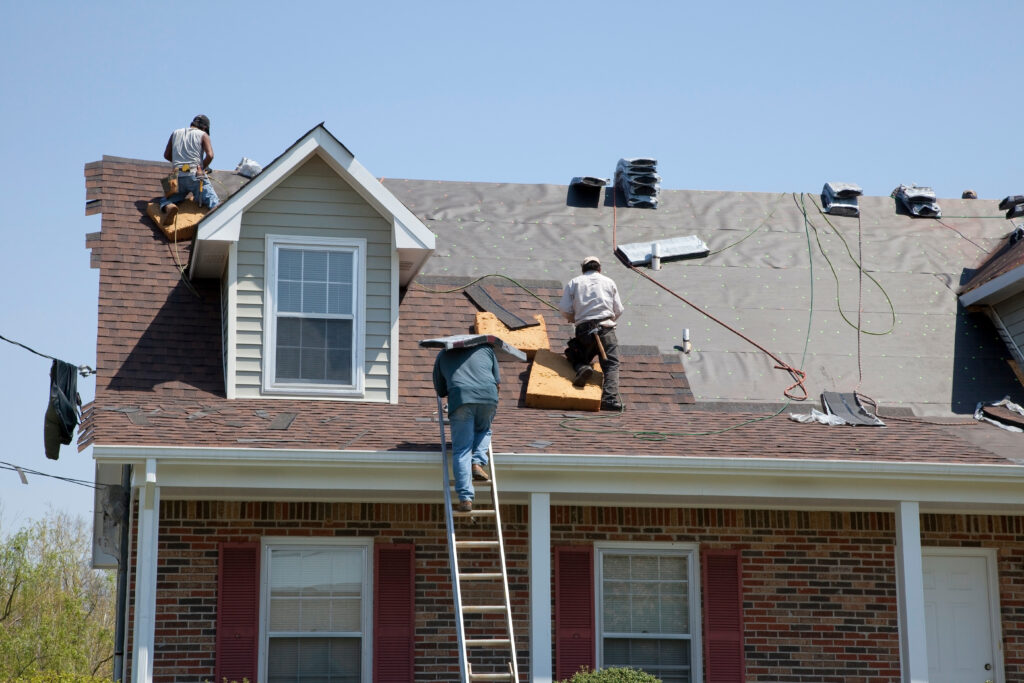
In Florida, few parts of a home are scrutinized by insurance companies more than the roof. In recent years, homeowners across Tampa Bay and the rest of the state have seen increased premiums, non-renewals, and inspection requests tied directly to roof age and condition.
Understanding what insurers are looking for—and why—can help homeowners make smarter decisions before renewal notices arrive.
Roof Age Has Become a Key Insurance Trigger
Florida law provides important protections for homeowners, but insurance companies still place heavy emphasis on roof age.
Under current Florida statutes:
- Insurers cannot deny or cancel coverage solely due to roof age if the roof is under 15 years old
- Once a roof reaches 15 years or older, insurers are allowed to require an inspection
- If an inspection shows the roof has five or more years of useful life remaining, insurers must offer or renew coverage
While this law prevents automatic cancellations, it does not stop insurers from closely examining older roofs or adjusting premiums based on perceived risk.
Why Insurers Are More Aggressive About Roofs

Florida’s insurance market has been under pressure from:
- Hurricanes and severe storms
- High claim volumes
- Rising reinsurance costs
As a result, insurance companies are tightening underwriting standards. Roofs are one of the most common sources of storm claims, which makes them a focal point for risk assessment.
For insurers, an older roof—especially one nearing the end of its lifespan—represents a higher likelihood of future claims.
Roof Condition Often Matters More Than Roof Material
Contrary to popular belief, insurance companies do not base coverage decisions solely on roofing material. Instead, they focus on condition and remaining useful life.
That said, material does matter indirectly.
- Asphalt shingle roofs tend to age faster in Florida’s heat and humidity
- Metal and tile roofs generally last longer and maintain structural integrity over decades
A well-maintained older roof may still qualify for coverage, but roofs showing signs of wear—such as curling shingles, granule loss, rust, or poor drainage—are more likely to trigger issues during underwriting.
Inspections Are Now Common—and Often Required
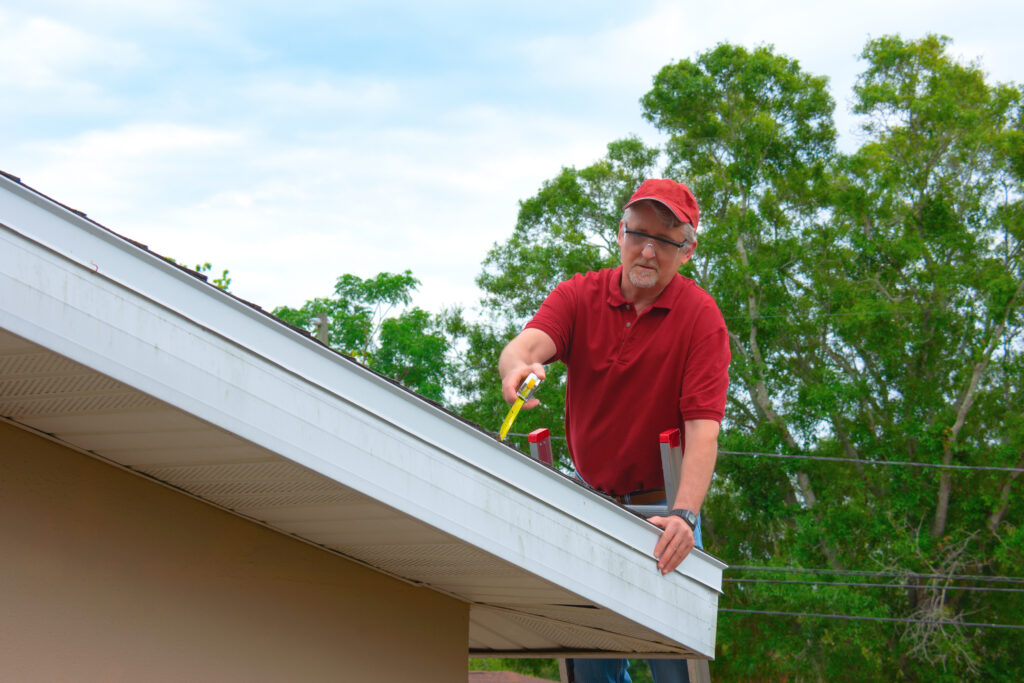
For roofs 15 years or older, insurers frequently request a professional inspection before renewal.
These inspections are used to determine:
- Overall roof condition
- Signs of active or potential failure
- Estimated remaining lifespan
If the inspection indicates less than five years of remaining life, insurers may:
- Refuse renewal
- Require roof replacement
- Increase premiums
- Shift coverage from replacement cost to actual cash value
This makes proactive inspections an important step for homeowners approaching renewal.
Coverage Type May Change With Roof Age
Another shift homeowners are seeing involves how roofs are insured, not just whether they are insured.
Some policies now:
- Offer Actual Cash Value (ACV) coverage on older roofs
- Reduce payout amounts based on depreciation
- Increase deductibles for roof-related claims
These changes can significantly impact out-of-pocket costs after a storm.
How Roofing Choices Affect Insurance Outcomes

While insurers may not openly favor one material over another, roofing choices can influence long-term insurability.
Roofs that tend to perform better under scrutiny include those that:
- Have longer expected lifespans
- Resist wind uplift
- Shed water efficiently
- Require less frequent repairs
For many homeowners, this is one reason metal roofing is increasingly viewed as a long-term investment—not just for durability, but for insurance stability as well.
What Homeowners Can Do Right Now
To avoid surprises, Florida homeowners should consider:
- Keeping documentation of roof installation and repairs
- Scheduling inspections before insurance renewal dates
- Addressing minor roof issues early
- Understanding policy terms related to roof age and coverage type
Being proactive gives homeowners more control than waiting for an insurance notice to dictate next steps.
Florida Home Insurance
Florida insurance companies are not arbitrarily targeting roofs—but they are becoming far more selective about risk. Roof age, condition, and remaining lifespan now play a central role in coverage decisions.
For homeowners, understanding these realities makes it easier to plan ahead, protect coverage, and avoid last-minute pressure to replace a roof unexpectedly.